
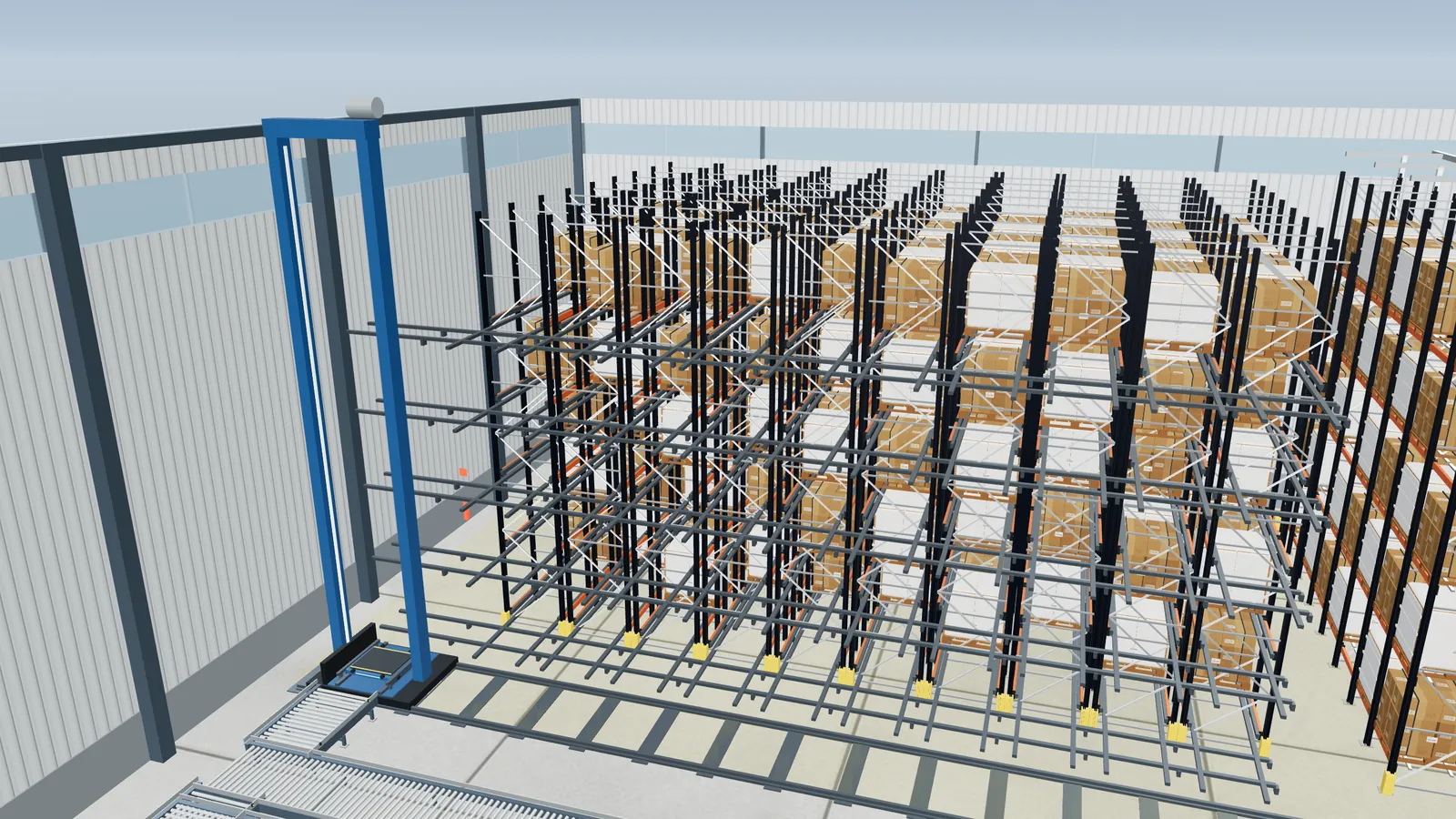
What automating a warehouse means
Automating a warehouse means that machines coordinated by software store, retrieve and move the loads that people move today with forklifts. There is no minimum size: what decides is which of those three situations you have.
An automated warehouse is one where storing, retrieving and moving the load is done by equipment guided by software instead of people walking or driving.
It applies equally to a warehouse, a distribution center or a storage facility: what changes is not the building, it is who goes and fetches the load. The equipment includes stacker cranes, shuttle robots, mobile robots, vertical storage towers and conveyors, and the software that coordinates them decides what moves, in what order and where to. It is not all or nothing.
Keep reading
Most operations automate one process —storage, order picking or internal transport— and keep the rest manual. That is why warehouse robots are not the starting point but the destination: the project starts with the problem you have today, and robotics comes in where organisation alone no longer does the job.
When automating pays off
All three are solved the same way: an automated storage and retrieval system —ASRS— where the equipment goes and fetches the load and brings it to the operator, instead of the operator walking over to it. What changes from one case to the next is which architecture fits.
You ran out of floor
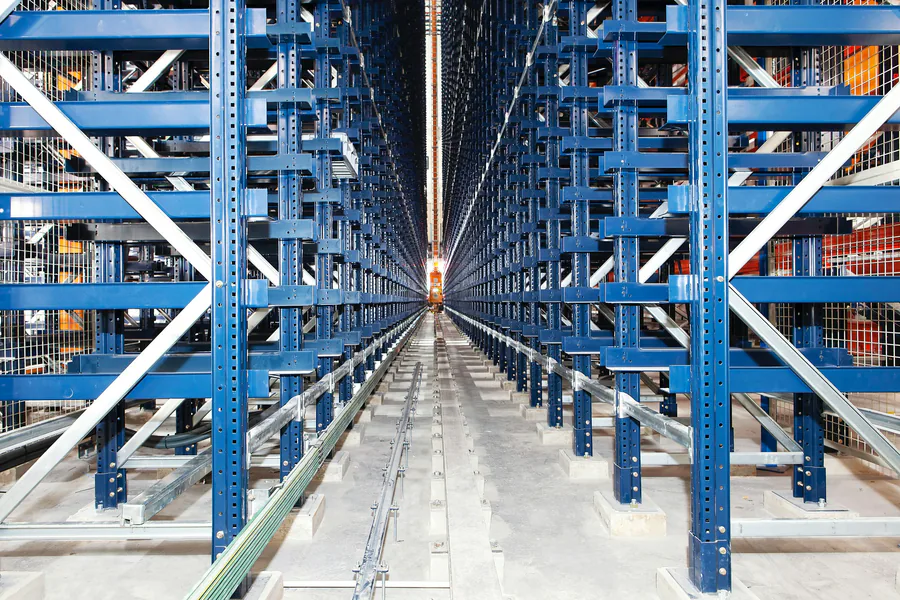
The building is full but the volume above it is empty. Automating upwards can multiply the capacity of the same building by up to 3 times and free up to 66% of the floor. This is the case where the numbers work fastest, because every square metre you do not rent or build goes straight into the calculation.
Order picking cannot keep up
Peaks are handled with more people and more hours, and orders still go out late. When the goods travel to the operator instead of the operator walking to them, picking stops depending on how many people you manage to hire.
The operation depends on a few people
The one who knows where everything is is a person, not the system. An automated warehouse with management software keeps that knowledge somewhere that does not go on holiday: inventory accuracy comes to depend on the automatic recording of every movement rather than on someone remembering.
The technology families, and what each one solves
The choice does not start with the machine: it starts with the load unit, the movement profile and what the building allows. Those three facts rule out whole families before budget comes up.
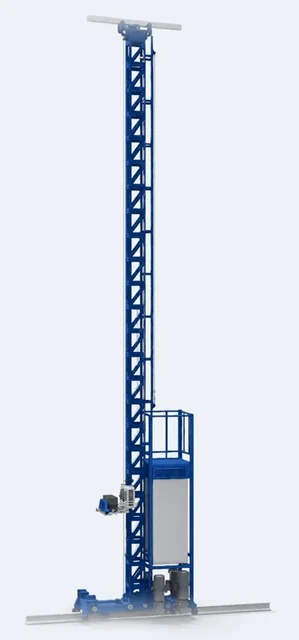
 Automated pallet storageStacker cranes that work in the aisle and reach any position. For full pallets and for using height: this family works in a band from 7 to 40 m.
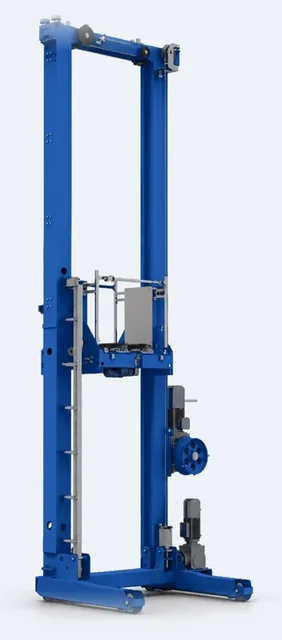
 Miniload: the carton stacker craneThe same idea for cartons and totes: it brings the tote to a fixed station where the operator picks the order without walking. For thousands of small items.
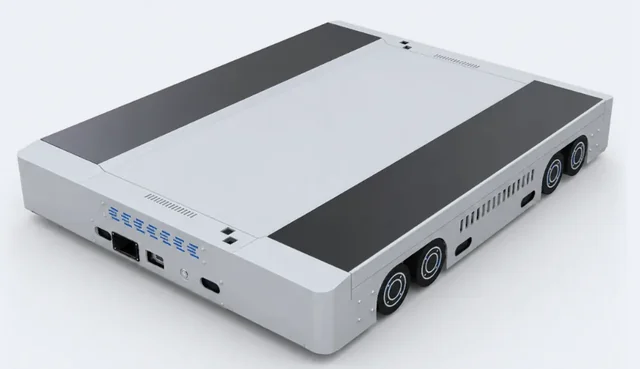 Shuttle robotsThey work inside the racking channel, so the aisle disappears and density is gained in depth. For few product references with high volume of each.
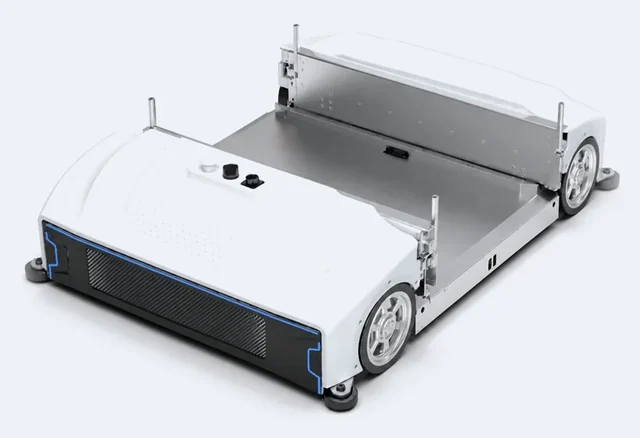 Cold storage shuttleThe shuttle built to work at low temperature, down to −25 °C, to take people out of the cold room.
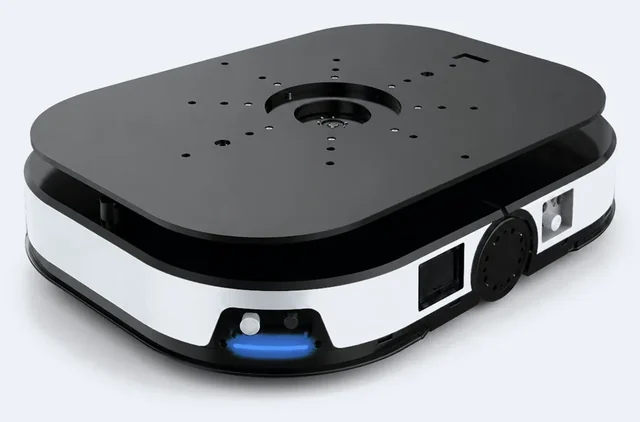 Mobile robots: AGV and AMRVehicles that move the load on their own between points in the warehouse: the AGV follows a fixed path and the AMR navigates by itself. They do not store: they move.
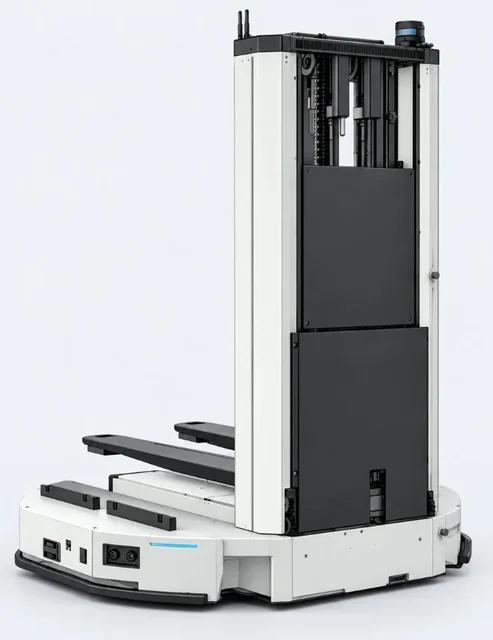 Autonomous forkliftsAutonomous forklifts, also called robotic or automatic forklifts (VFR), that drive themselves and store the pallet on the selective racking the warehouse already has, with no rails or new structure. Usually the first step: start with one or two robots.
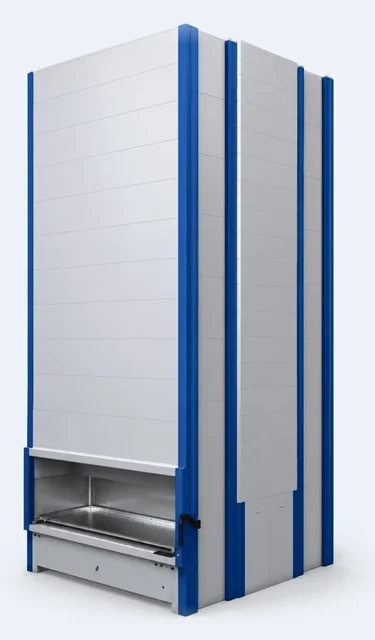 Vertical storageEnclosed towers with trays that deliver the item at the operator’s working height. For small items and for buildings without the height pallet systems need.
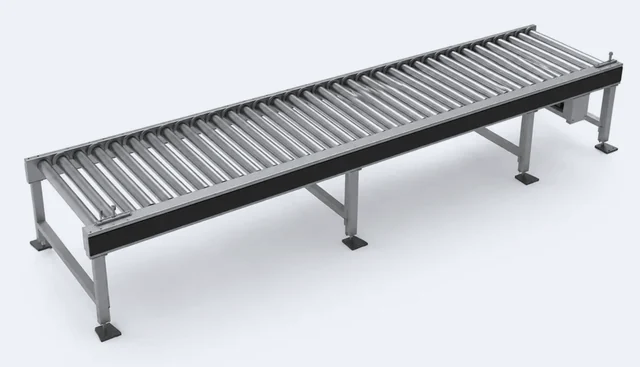 Internal transportConveyors that link receiving, storage, picking and dispatch so the load moves without one machine and one operator per trip.
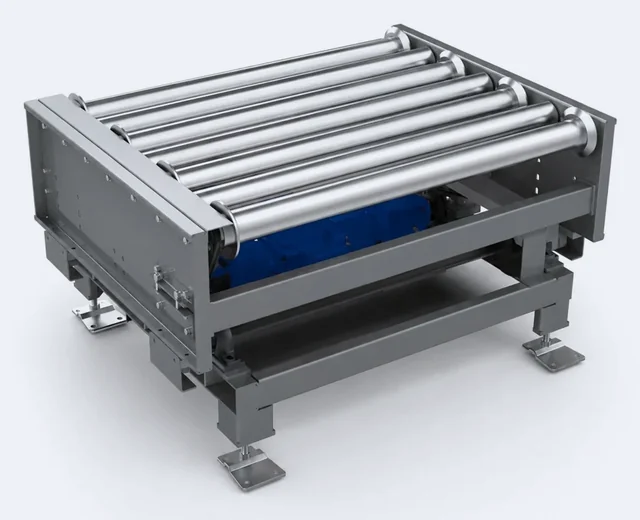 Management and control softwareThe warehouse management system (WMS) STOKA implements, integrated with your ERP and with the control system (WCS) that gives each machine its orders. Without this layer there is no automation.
Why automate instead of renting, building or moving
The three classic ways out all buy new square metres: you pay for them every month, or you pay once and keep maintaining them. Automating does not buy square metres: it uses the ones you already have and are not using, which is the volume above the reach of the forklift.
Rent another warehouse
It is the fastest way out and the one that never ends: the cost repeats every month and goes up at every renewal. It also splits the operation in two, with the transfers between sites and the double stock that forces you to hold.
Build a new warehouse
It solves the problem for many years, and it costs the land, the works and the time until it runs. It is the right call once growth is proven, not while the current building still has unused volume.
Move the operation
It swaps one building for another, and in between there is the move, the downtime and a learning curve that rarely shows up in the budget. The underlying problem travels with the operation if it was not solved first.
In stages: from organising to automating
Almost nobody automates in one go, and there is no need to. You come in at the step your budget allows, and each stage is designed with the next one in mind. Every STOKA optimisation project also says where and when automation makes sense; if it does not yet, it says so too.
- Step 1
Organise
Layout, locations, slotting and processes. Without buying equipment. It is what most often solves the whole problem.
- Step 2
Equip
Racking and shelving, mezzanines and management software. The volume starts being used without automating yet.
- Step 3
Mechanise
Conveyors and vertical storage. Goods start moving on their own along the stretches where most walking happens.
- Step 4
Automate
Stacker cranes, shuttle robots, mobile robots and the software that coordinates them. This is the step this page is about.
Each stage is designed with the next one in mind, according to system compatibility. Which equipment installed today will later accept an automated system is validated by engineering case by case: it is not a general promise.
What it costs and where the return comes from
There is no list price: the figure comes from the load unit, the number of locations, the available height, the movements per hour at peak and the integration with the management software. The reference payback of the projects we assess is 18 to 36 months, and it comes from three sources. Which one weighs most depends on your operation, and it is measured during the assessment with your figures, not with an average.
The square metres you stop paying for
Every square metre freed up by going vertical is one you do not rent, do not build and do not maintain. In operations where space was the constraint, it is usually the largest of the three sources.
The operating hours
When the goods travel to the operator, the walking that today eats much of the shift stops. The saving is not counted in people: it is counted in hours per order, and it shows most during peaks.
The errors that never reach the customer
Every return, every rework and every wrongly dispatched order carries a cost that almost never gets budgeted. With automatic reading of every movement, inventory stops depending on manual counts.
A payback period without declared assumptions is an opinion.
The three that have to be put on the table: how much floor is freed and at what price per square metre, how many hours per order are saved and at what labour cost, and how many errors are avoided and what each one costs. If any of the three is not measured, the period means nothing.
The comparison that decides is made over ten years of total cost: the investment, energy, maintenance, spare parts, licences and the staff the operation still needs.
That cost is also weighed down by response time when something fails, getting technicians to site and waiting for a spare part.
Up and running in 3 to 4 months
Installing an automated system takes 3 to 4 months from the purchase order, including manufacturing, shipping, assembly and commissioning. It is the reference lead time for automation. Before that come the survey and the design, and how long they take depends on how organised the operation’s data is.
What engineering checks, and what happens when the number does not work
There is no minimum clear height, floor flatness or load capacity that applies to every system: each piece of equipment has its own and its manufacturer sets it. What there is, is an order for measuring them, during the assessment and before quoting, and a way out for each case where the value falls short.
Clear height and obstructions
Actual clear height is measured to the lowest point: beams, sprinklers, lighting and ducts. Automated pallet systems work in a band from 7 to 40 m, and each family has its own range within that band. If the height does not allow the family that would suit best, the assessment proposes the one that does fit.
Floor flatness and load capacity
Both are set by the manufacturer of the chosen equipment, not by STOKA, and are verified by a licensed professional with instruments. They are measured during the assessment. If the floor does not comply, the way out is surface treatment or a new slab in the area of the system, and that goes into the budget as one more line.
Working temperature
If the operation is refrigerated, the range is defined by the equipment: stacker cranes work down to −30 °C and shuttle systems down to −25 °C. It is confirmed against the actual temperature of your chamber, not the nominal one in the project.
Electrical installation and access
Available power, switchboard, earthing, and how the equipment gets into the building. It is what most often forces the schedule to move, and what gets looked at least before signing.
What changes from one sector to another
The technology is the same; what changes is which process weighs most. In e-commerce it is order picking, in cold storage it is holding temperature along the whole route, in pharmaceuticals it is batch traceability, and for a logistics provider density is the margin itself.
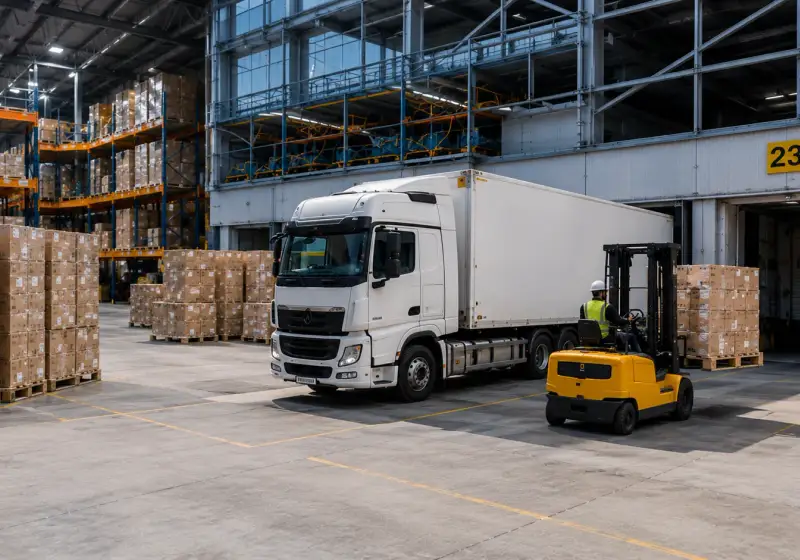
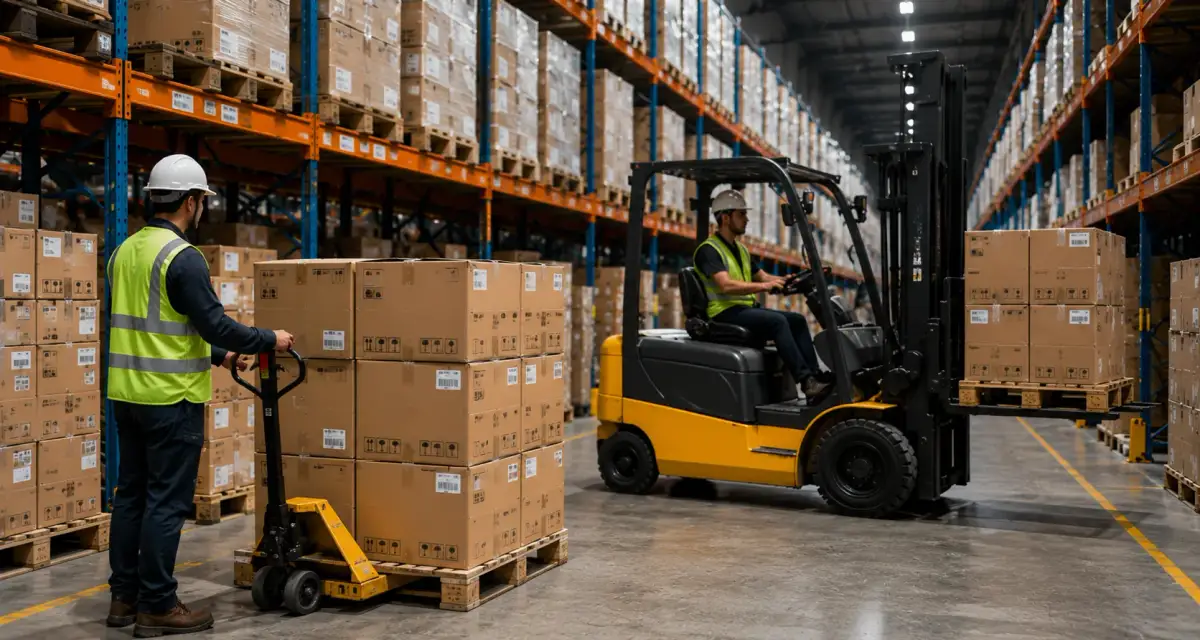 01E-commerce and retailMany orders, few units each.
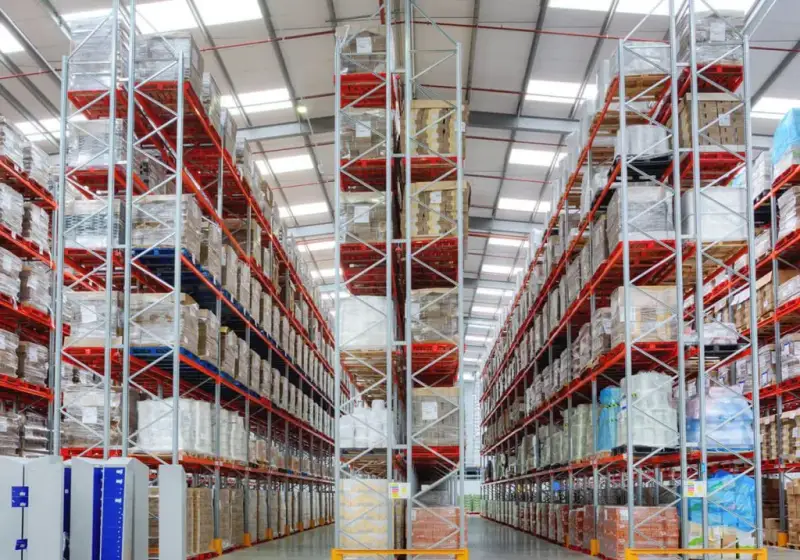
 02Logistics and 3PL operatorsDensity is the margin.
 03ManufacturingThe warehouse serves the line.
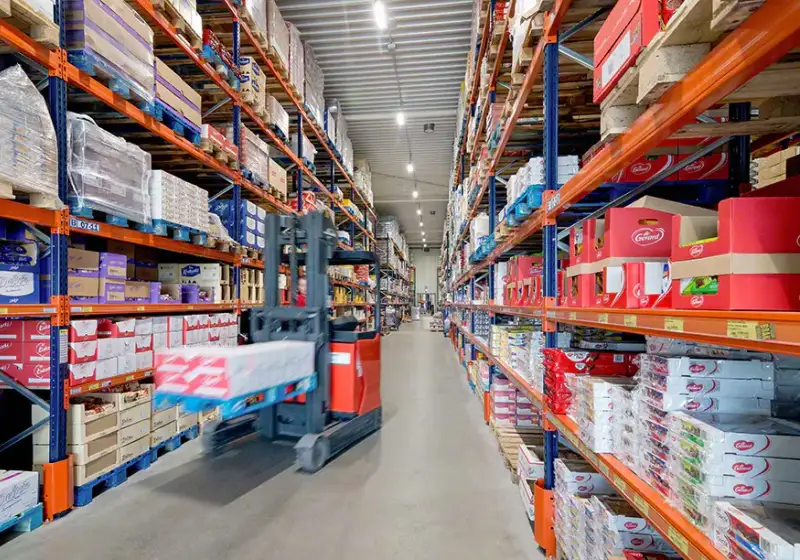 04Food and beverageWhat expires first, ships first.
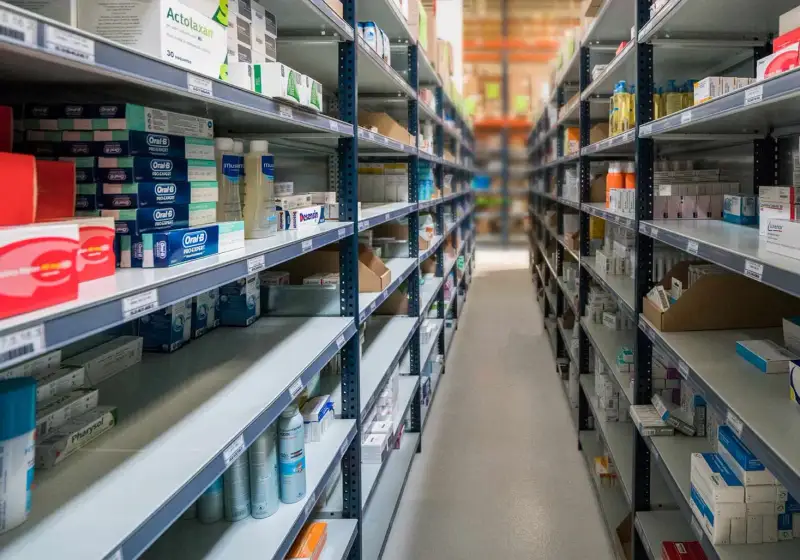 05Pharmaceutical and healthcareThe record is worth as much as the product.
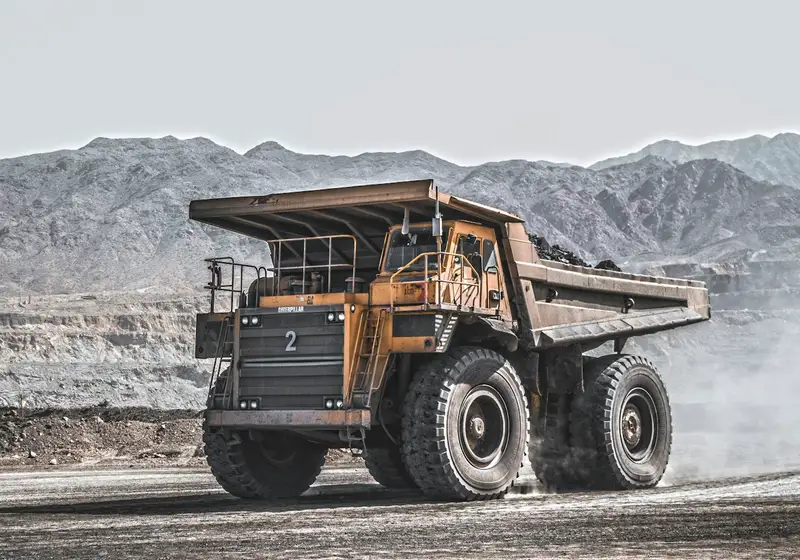 06Mining, oil and gasWhen one part is missing, everything stops.
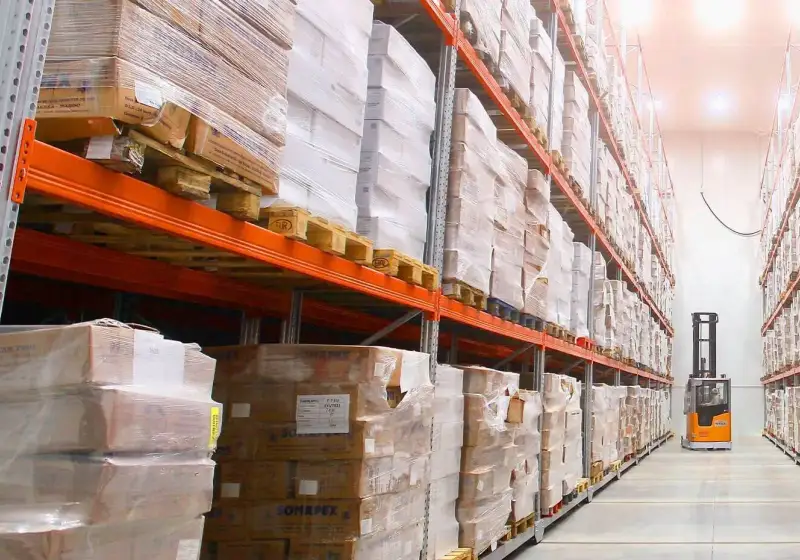 07Cold chainThe square meter you pay for twice.
- 08WineriesTwo peaks a year, and every lot has a name.
- Scope
What STOKA covers on a project
STOKA does the engineering, the sizing, the import, the assembly, the commissioning, the integration with the management system and the support of the installed system.
When a part is needed, STOKA sources it. Manufacturing, the data sheet, the maintenance plan and the installation tolerances belong to the equipment manufacturer, and a licensed professional verifies them.
Keep reading
STOKA runs the project end to end.
- Coverage
Projects across Latin America, from Argentina
STOKA is an Argentine company that assesses automation projects across the region.
The first analysis is done remotely, with your operation’s data, and we travel when the project justifies it. Same language and nearby time zones, from the survey to support.
See coverage by country
Why automate with STOKA
The factory builds the equipment and we commission it and maintain it in your warehouse. You are not dealing with a plant on the other side of the world — you deal with STOKA: the same people who surveyed your operation, in your language and in nearby time zones, answering for the system after the sale.
From assessment to after-sales service
Engineering, importation, assembly, commissioning and service are handled by the same team. If something fails, you know who to call.
Engineering in your language
The whole process —survey, design, installation and support— in Spanish and in nearby time zones.
Integration with your systems
Experience integrating with the ERPs we work with: SAP, Oracle, Tango and in-house systems.
When we will tell you not to automate
If the assessment does not support it, we say so. These are the three situations in which automating today would mean spending more than you need to.
The problem is order, not volume
If what fails is where everything is rather than how much fits, reorganising locations and standardising the load unit solves it without buying equipment. Automating a mess turns it into a faster mess.
The operation is about to change
If the product mix, the volume or the building are going to change in the short term, the system gets designed on a figure that will no longer exist when it goes live. It is better to wait for the figure to settle.
The volume does not justify it yet
An automated system pays for itself with movements. If the operation does not have them yet, the investment pays back over a period that does not work. That is when it makes sense to grow in stages: organise first, equip next, and automate when the volume asks for it.
Warehouse automation: frequently asked questions
Can't find your question?Write to us and we reply within one business day.
Tell us about your case01What is warehouse automation?
It means that storing, retrieving and moving the load is done by machines coordinated by software, instead of people with lifting equipment. It covers automated pallet and tote storage, shuttle robots, mobile robots, vertical storage, internal transport and management and control software. It is not all or nothing: you can automate a single process and keep the rest manual.
02What is an automated warehouse?
It is a warehouse where loads are stored and retrieved by machines guided by software, with no driver for each move: stacker cranes, miniload systems for totes, shuttle robots or autonomous forklifts. It is also called an automatic or robotic warehouse.
03What is an AS/RS (automated storage and retrieval system)?
AS/RS, also written ASRS, stands for automated storage and retrieval system: racking, machines that store and retrieve loads, in-feed and out-feed conveyors and control software working as one system. The best-known machine is the stacker crane, for pallets (unit-load) or for totes and cases (miniload).
04Where should automation start if the warehouse already has racking?
If you have selective racking in good condition, the first thing we evaluate is autonomous forklifts, also called robotic or automatic forklifts (VFR): they drive themselves, store pallets on the existing racking and are added one or two units at a time, with no rails or new structure. Engineering checks the aisles, the top beam and the racking condition in each case.
05Can an automated warehouse run 24 hours a day?
The automated zone can run shifts a manual operation cannot sustain, because the machines need nobody in the aisle. In-feed and out-feed stations, incident handling and scheduled maintenance still need people on each shift, and that is sized in the project. This way of working is sometimes called a dark warehouse.
06What does it cost to automate a warehouse?
There is no list price: it depends on the load unit, the number of locations, the available height, movements per hour at peak and the integration with the management software. In the projects we assess, the reference payback is 18 to 36 months, and proposals are compared over ten years of total cost.
07How long does it take to go live?
Installing an automated system takes 3 to 4 months from the purchase order, with manufacturing, shipping, assembly and commissioning. Before that come the survey and the design, and how long they take depends on how organised your operation’s data is.
08Do you need a large warehouse to automate?
There is no minimum size. What decides is the problem: lack of space, order picking that cannot keep up, or an operation that depends on a few people. Clear height defines which family of systems fits, not whether the warehouse qualifies: where a pallet system does not fit, vertical storage, racking or work on the process do.
09Can a warehouse be automated in stages?
Yes, and that is the usual way. The process where the operation jams is automated first and the rest stays manual. Each stage is designed with the next one in mind, but which equipment installed today will later accept an automated system is validated by engineering case by case: it is not a general promise.
10Does STOKA manufacture the equipment or import it?
We design them, size them, commission them and maintain them. The system engineering, the assembly, the integration with the software and the ongoing support are done by STOKA.
11Do the systems carry a factory warranty in Argentina?
Yes. The warranty covers the installed equipment and STOKA carries it out: you claim here and it is resolved here. Its scope and term are declared in the documentation of the equipment chosen, and are handed over with the project.
12Do you work outside Argentina?
Yes. STOKA is an Argentine company and assesses projects across Latin America: the first analysis is done remotely with your data, and we travel when the project justifies it.
Does automating your warehouse pay off?Let's look at it with your data.
Keep reading