
STOKA / Where to start

The six processes in a warehouse and which one to improve first

A warehouse always stalls in one of six processes: space and layout, receiving, order picking, inventory control, shipping or returns. STOKA reviews all six with the data from your operation, tells you which one is holding back the rest, and which one to start with.

Tell us your problem
  • Free assessment with your own data
  • From order to automation, in stages
  • Projects across Latin America

This page covers warehouse optimization in three parts

First, an index of the six processes and what each one solves. Then one block per problem: what it looks like, what causes it, what work corrects it, and where it is developed in full. Last, the criterion for deciding where to start, and the questions STOKA is asked most often.

Warehouse optimization starts by identifying which of the six processes is holding back the rest, and it is rarely the one making the most noise. An order that ships late can come from slow picking, from a receipt registered the next day, or from an inventory balance that does not match. So it is read backward: from the symptom that is visible to the process that caused it.

Why we start with space

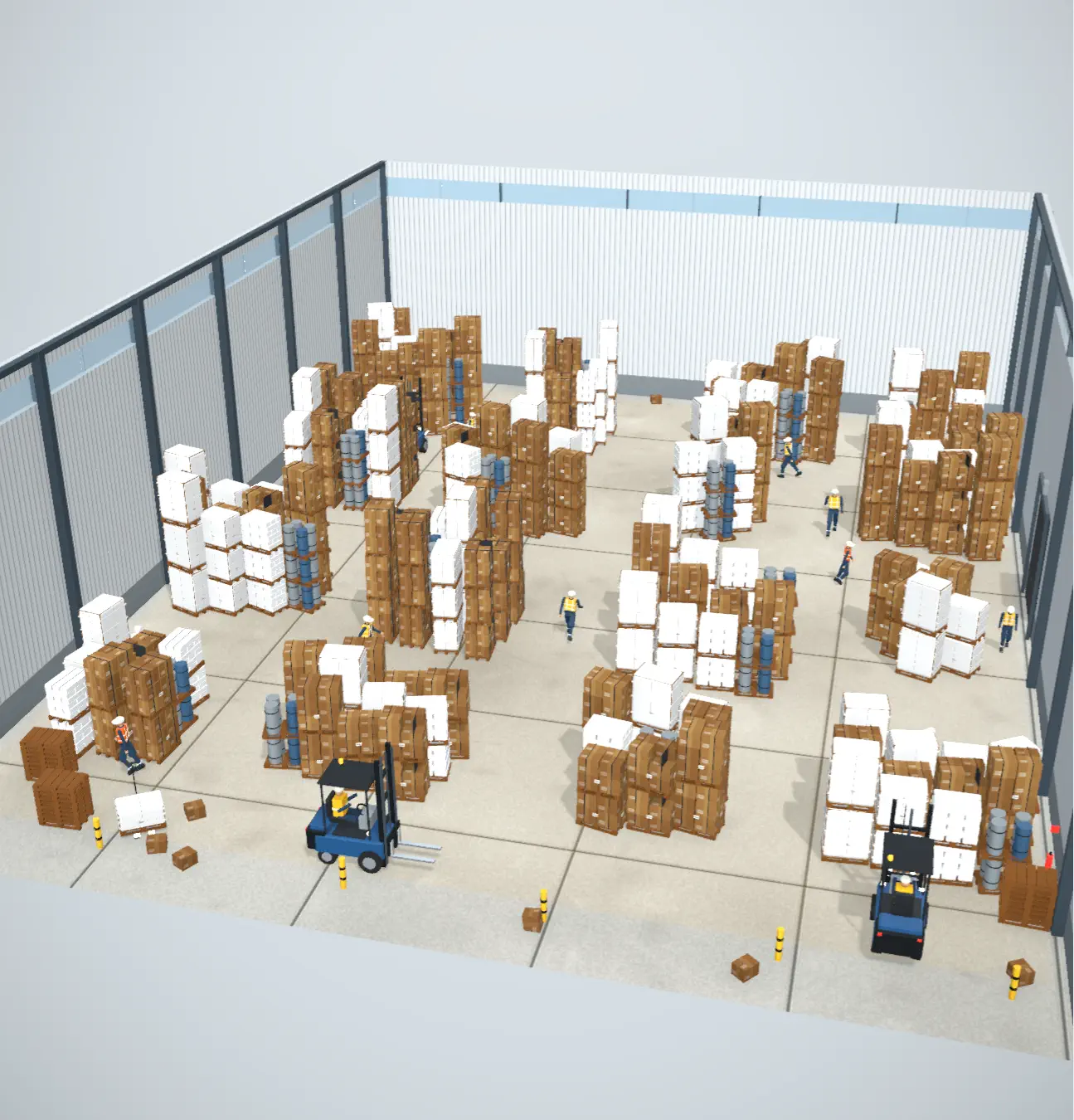
You did not run out of space. You ran out of floor.

Most full warehouses are using less than half their volume: everything above the reach of the forklift is empty.

Renting, building or moving buys new square metres. Densifying gives you back the ones you are already paying for.

See how real capacity is measured
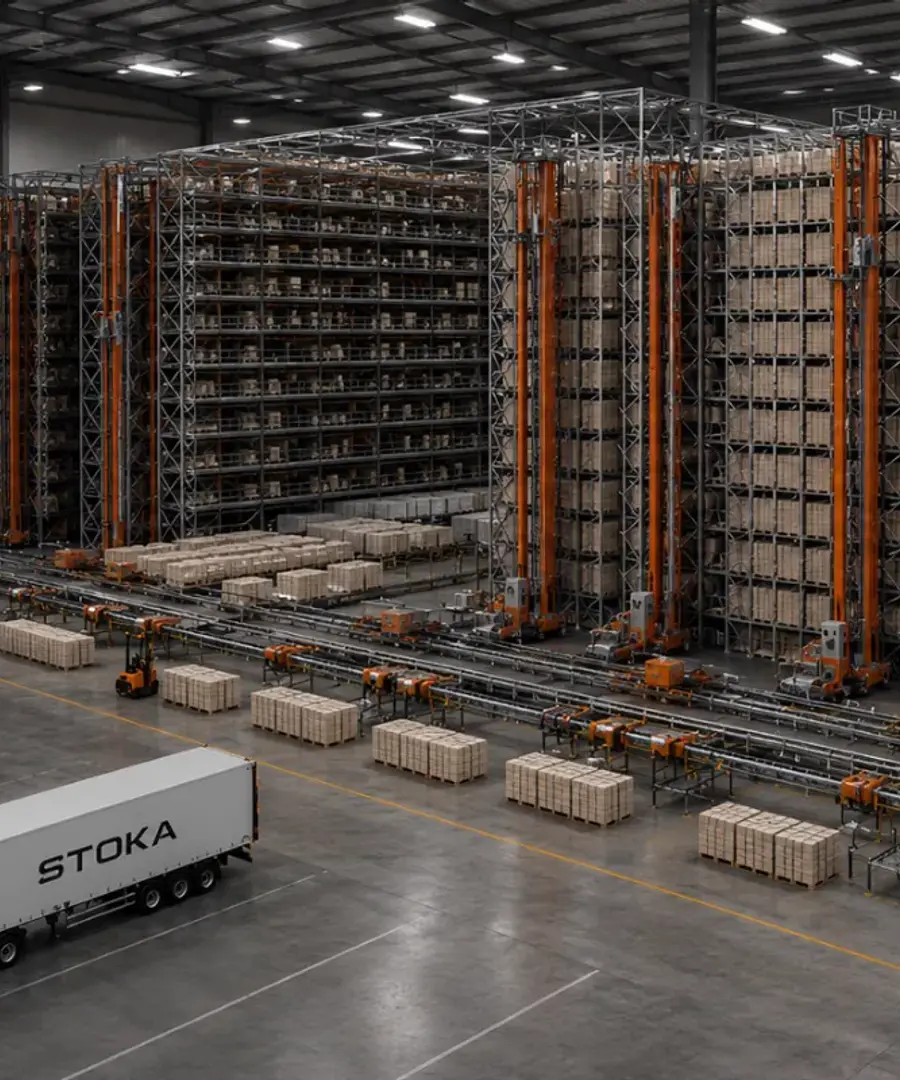
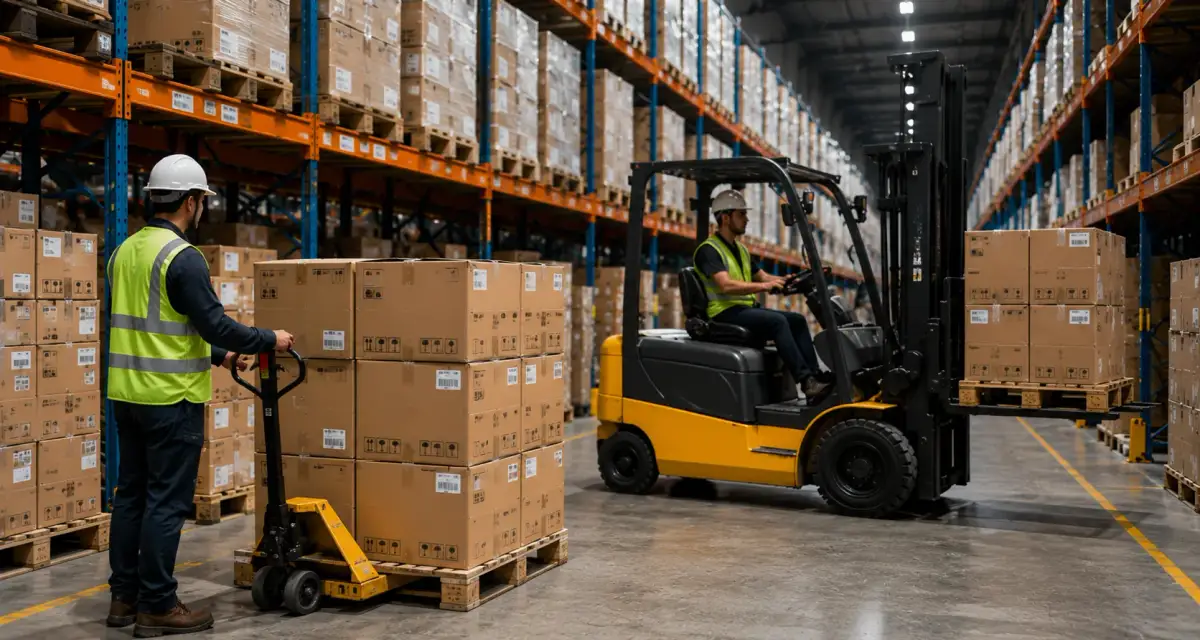
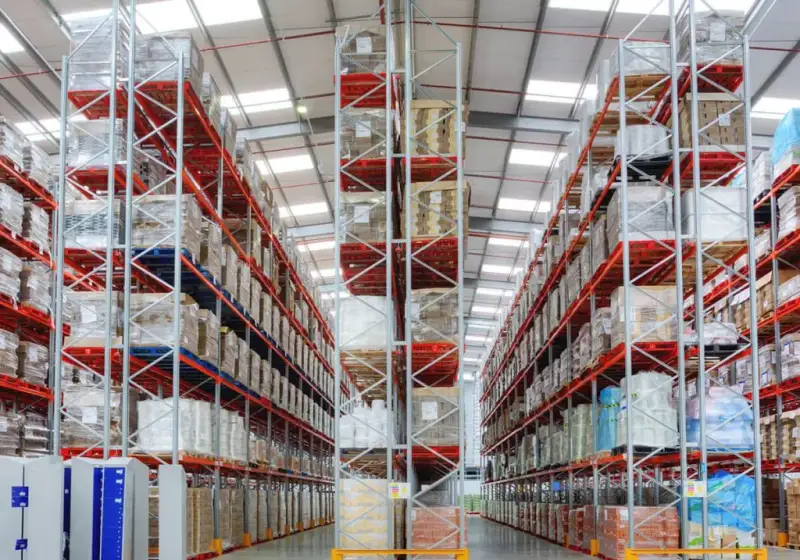
View of a warehouse with goods stacked on the floor and the whole volume above it unused
Reference animation

Six common problems

Six warehouse problems, and what STOKA does about each one

01

The warehouse has run out of space

The building filled up before it was full: load sits in the aisles, pallets are stacked at the foot of the racking, and the upper levels stay empty.

What STOKA does about it

The cause is almost always the same. The floor runs out before the volume does, because usable height ends where the reach of the existing forklifts ends. STOKA measures how much the building stores today against how much it could store, re-slots products by rotation, and reviews aisle width, which is paid for and stores nothing. That round alone gives locations back, with no equipment purchase.

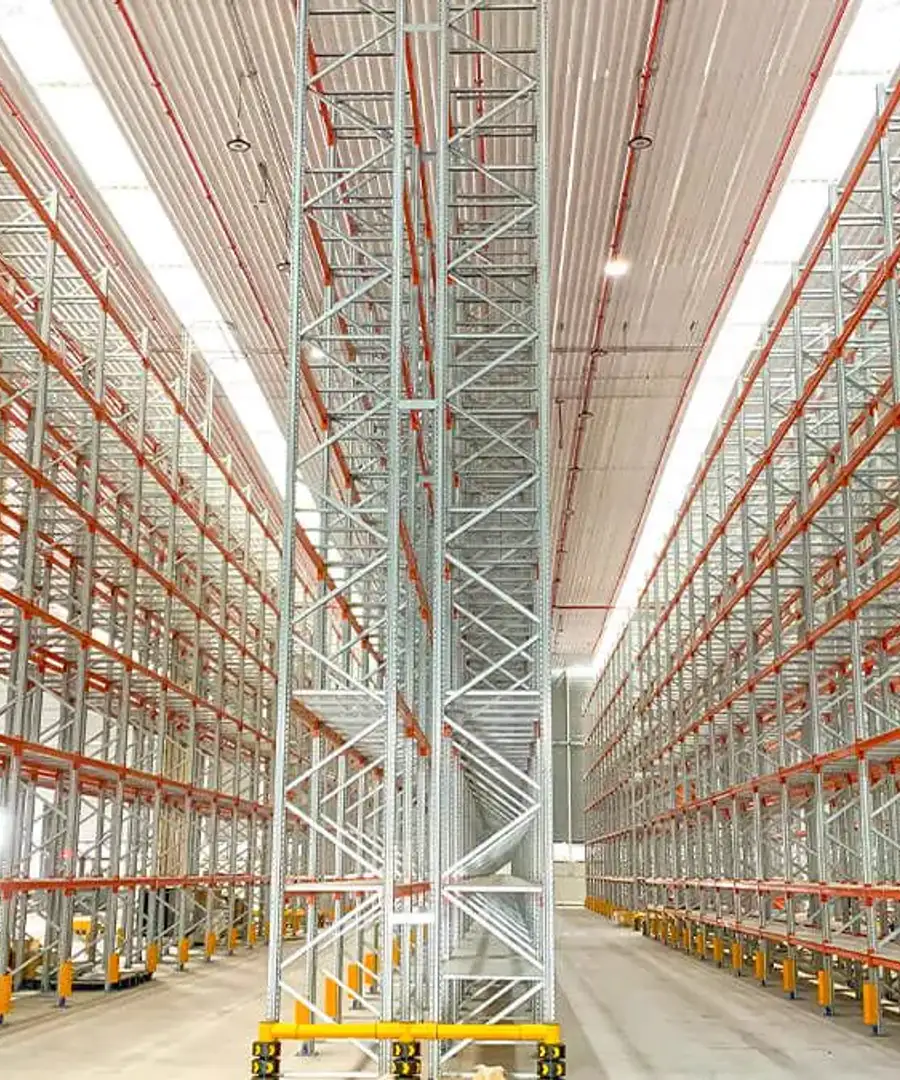
When it runs out, the path continues upward, toward a known destination: compared with a conventional selective pallet racking system, a densified installation stores up to three times more on the same floor and frees up to 66% of the floor space in use. The cost per square meter, with its source and its country, is on the process page.

02

Receiving is the bottleneck

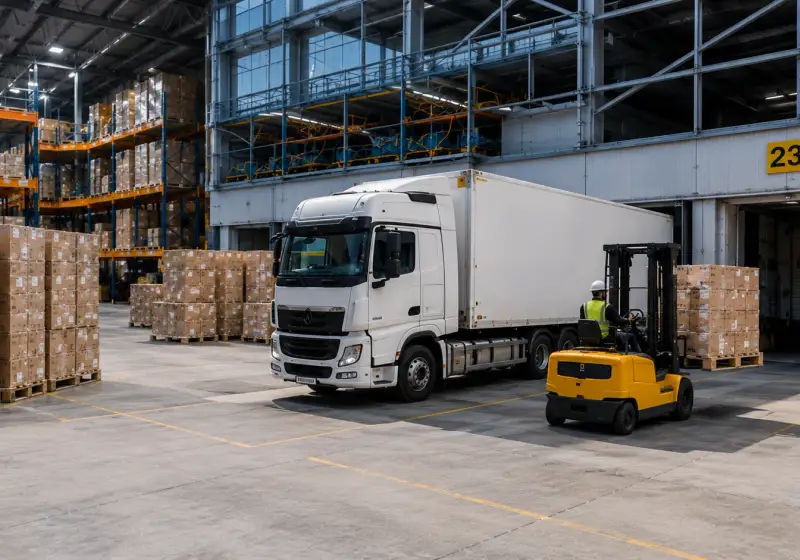
A truck arrives without an appointment and waits. The dock unloads in the order trucks show up and, when the shift ends, much of what came in is still sitting in the receiving area with no location assigned.

What STOKA does about it

The cause is the criterion used to judge the receipt: it is measured by how fast the truck is emptied, when what governs the rest of the day is the hour that load was put away and registered. STOKA splits arrivals into time slots agreed with purchasing, gives the receiving area a physical boundary and labeled positions, writes down how much of each supplier is verified, and moves the record forward to the moment of verification.

One number can be taken today, with no system and no project: how many positions in the receiving area are still occupied when the shift ends. The supervisor counts them, on any given day.

03

Orders ship late, or ship wrong

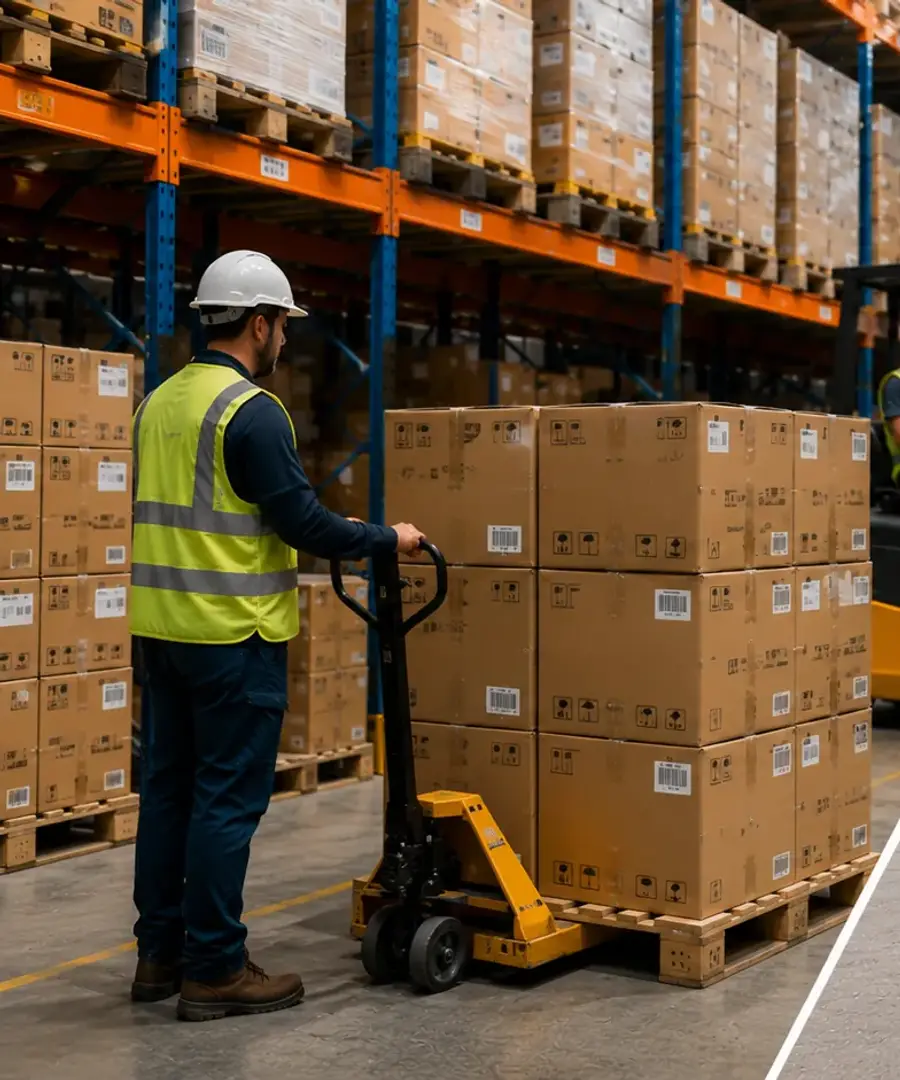
The picking team works the full shift, overtime shows up every week, and complaints still come back: a line was missing, or the wrong item went out.

What STOKA does about it

The cause is split between two things that get corrected together. Travel, because the shift goes more into walking than into picking; and confirmation, because nobody validates the line at the moment it is taken. STOKA slots products by how many orders each one appears in, chooses the method that matches order size and repetition, and leaves the procedure written and the indicators in place.

Whether the change worked shows up in a measurement that needs no system: the gap between the fastest and the slowest picker on the same shift, building the same type of order. If that gap narrows, the method has been standardized; if it does not, the new order is being held up by one person.

And once the gap has closed, the travel path cannot be shortened any further and volume keeps growing, what is left to gain is no longer in the process: it is in the technology that brings the product and validates each line.

04

System inventory does not match the aisle

Before a date is committed, somebody walks to the location and counts by hand what the screen should already say. Orders fall short at picking, and the period adjustment almost always writes inventory down.

What STOKA does about it

The cause is at the source, not in the count: the balance breaks the instant a movement happens and nobody confirms it. STOKA codes the storage locations, defines what gets recorded on every move and who records it, and only then builds cycle counting by rotation and value class. That trail is kept by a warehouse management system (WMS): the software that assigns locations and records who moved what, when, and from where.

The verifiable element here is a measurement rule: an accuracy percentage is always reported stating what was counted. The simplest base to start from is locations that matched the balance, over locations counted in the period.

05

Shipping piles up in the staging area

Toward the end of the loading shift, the shipping area is the tightest spot in the warehouse: closed orders get mixed in with orders that still have a line pending, and the truck sits idle until whatever is missing turns up.

What STOKA does about it

The cause is that this area receives everything coming off picking without a position assigned by order or by route: nothing separates what is complete from what is not, and verification ends up being done against the clock. STOKA marks off the consolidation area, defines which orders are checked in full and which by sample according to risk, and sets the sequence in which pallets go onto the truck, in reverse of the delivery route.

What is worth measuring comes from two timestamps the operation already records: when the last line of each order reached the shipping area, and the hour the truck was committed to leave. The shipping supervisor tracks the difference.

06

Returns pile up

There is a corner of the warehouse holding products that came back and are not yet anything: not available, not written off, and taking up floor. Nobody knows how long each one has been there.

What STOKA does about it

The cause is that a returned product enters with no status and needs somebody to define it; while that decision has no owner, no deadline and no place, the pile grows and the day's operation always comes first. STOKA assigns it a zone sized on the heaviest month, writes down what evidence sets the destination of each unit —available, refurbishment, another channel, or write-off— and leaves a short closed list of reasons, with no free-text field.

The indicator that brings this under control is calculated from what is already recorded: how much of what came back during the month is still undecided at close, over the total that came in. If it does not fall, the criteria are written and not being applied.

The order criterion

Where to start: how the decision is made

The six are not taken on at once, and the starting point is not the one that annoys the most. Four criteria settle it, and all four are resolved with data the operation already produces.

  1. 01

    Which one sets the ceiling

    One process sets the limit for the ones downstream: if receiving is registered late, picking looks where the system says, and shipping inherits the error. The STOKA engineer identifies it together with the warehouse manager.

  2. 02

    Which one needs no purchase

    Organizing locations, writing the verification criteria, splitting unloading into time slots and training every shift require no equipment investment. It is the step most projects come in through.

  3. 03

    Which one needs structure first

    Some improvements do not hold without something installed: a receiving area with no labeled positions goes back to disorder, and without racking there is no way to slot by rotation. The order reverses: structure first, then the procedure that uses it.

  4. 04

    Which one is already at its ceiling

    A process that is organized, measured and run by a trained team and still cannot keep up has no room left in procedure: that is the one evaluated with technology. In the same work we show you where and when automation makes sense, and also when it does not yet.

Frequently asked questions about where to start

Which process should we start with?

The one limiting the others, which is rarely the one complaining loudest. To identify it, take three orders that went wrong last month and trace them backward to the point where the data stopped matching the load.

Can anything be improved without buying anything?

In several of the six, yes: receiving, picking, inventory, shipping and returns improve by organizing locations, criteria and records. The limit shows up when the process is already organized and volume keeps rising, or when the structure to hold that order is missing.

How long does a process improvement take?

There is no publishable average: the schedule closes after the site survey. What moves it is concrete: how many locations have to be labeled or moved, how many shifts have to be trained, and what operating window the warehouse has. With those three, the date is committed.

Do all six processes have to be solved together?

No. They are taken one at a time, measured before and after. The risk of choosing wrong is not spending more: it is not moving the result. Speeding up picking when the problem starts at receiving only has the team finding the misplaced item faster.

At what point does automation come in?

When process improvement has reached its ceiling and volume keeps growing: the work is organized, measured and trained, and it still is not enough. That is when an automated system gets evaluated for this operation, with which technology and which process to start on.