
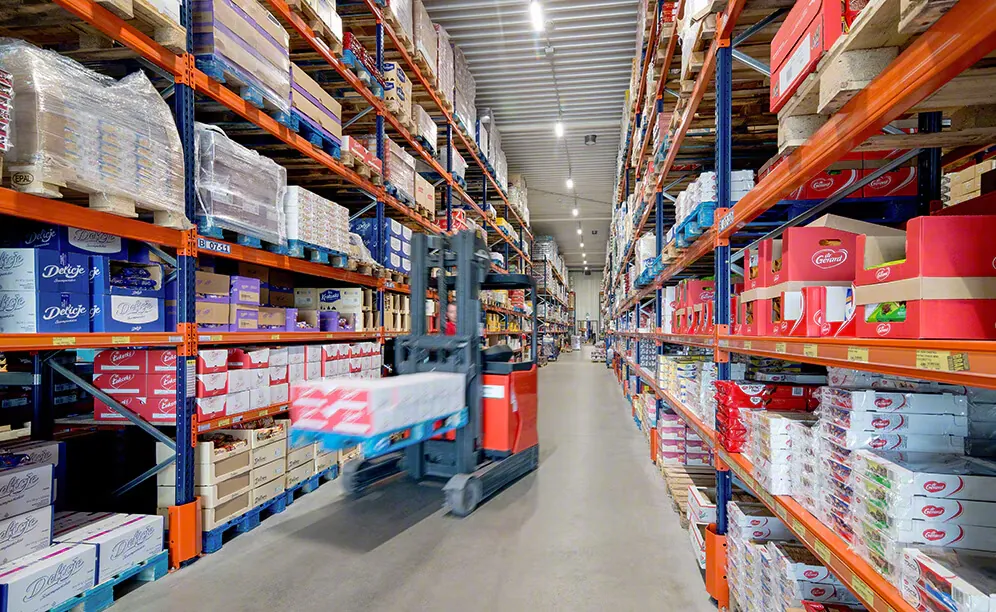
Two peaks a year, and every lot has a name.
A winery runs two warehouses in one: the dry-goods store that feeds the bottling line, and the finished-goods store that ships full pallets or single cases.
This page is about that warehouse, not the cellar where the wine is made.
"Nobody has time to organise the warehouse in peak season. It gets organised beforehand, or the peak disorganises it."
Both come under pressure at the same times of year, and in both the lot rules.
Wineries
The calendar shapes it —bottling runs and the months before the holidays— and the process that weighs most is following each bottling lot to the export container.
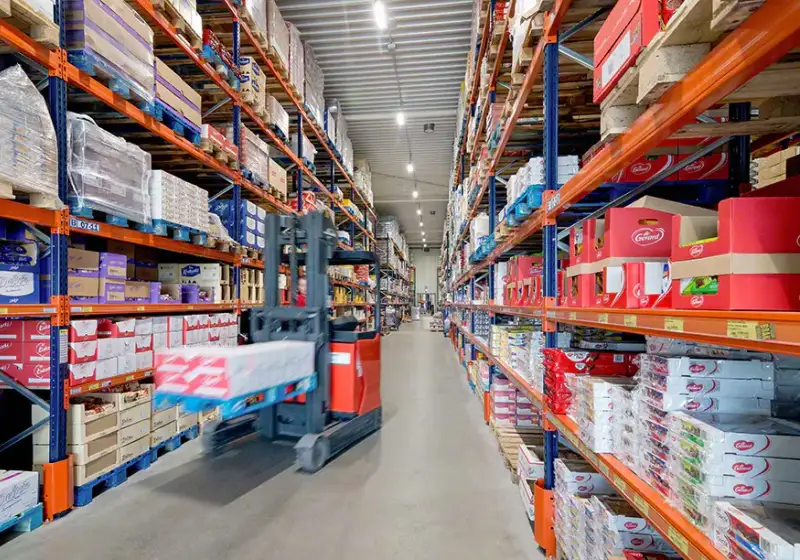
Before & after
- Floor stacking and an overflow warehouse every season, with transfers that never show up in any cost.
- Many labels, vintages and formats, with each location known only to the people who remember it.
- Bottling-line dry goods mixed with finished wine, competing for the same positions.
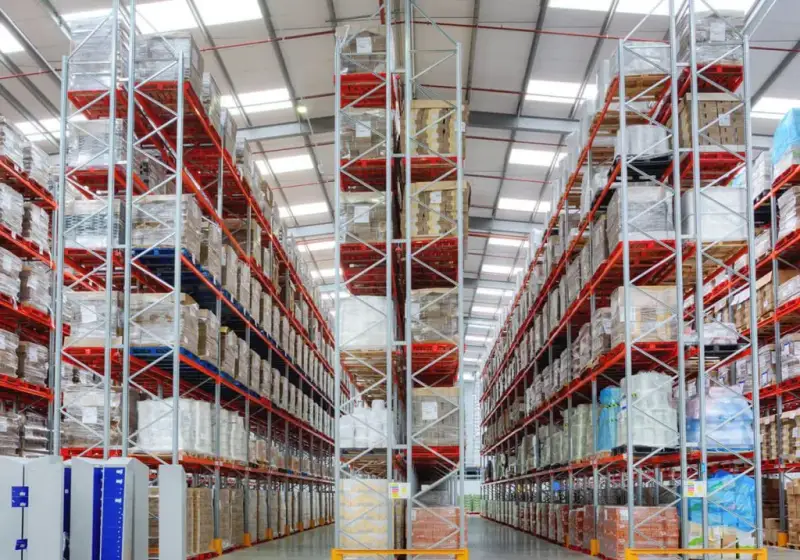
- Export containers built by lot by searching the whole warehouse for pallets.
- Glass pallets close to what the racking and trucks can take, never actually weighed.
- Separate the dry-goods store from finished goods, each with its own location logic.
- Code every location and record lot and vintage on every movement, so locations do not depend on memory.
- Prepare the peak before the season: free positions, remove dead stock and reserve the container build area.
- Weigh the heaviest pallet of each format and design racking and equipment around that figure.
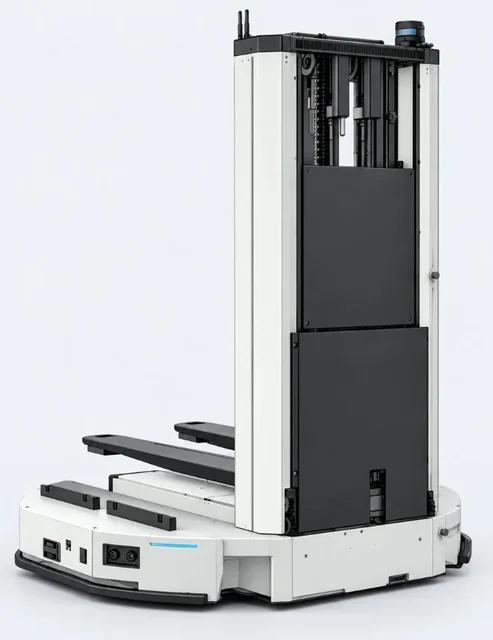
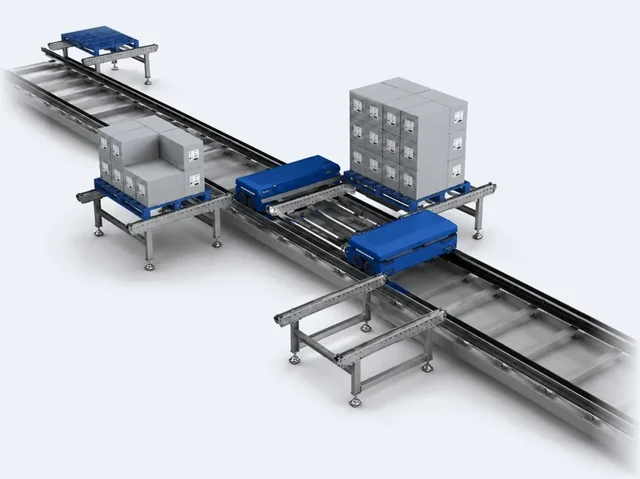
- Automate the run that costs most —from the line to the racking— on the existing racking, when volume justifies it.
Key benefits
Dry goods where the line needs them.
Bottles, closures, capsules, labels and cases placed according to bottling-line consumption, so the line never stops for an item left at the back.
Each bottling lot traceable to the container.
Every pallet with its lot, vintage and location recorded at the moment it moves, so a container can be built by lot without walking the whole warehouse.
The peak absorbed without floor stacking.
Positions freed and zones reserved before the season, instead of pallets in the aisles and an overflow warehouse with transfers nobody counts.
Heavy pallets, actually weighed.
The weight of the heaviest pallet of each format, measured rather than assumed, sets racking level capacity and which equipment can move it.
When automating a winery warehouse pays off
It is worth looking at once the warehouse is already in order —coded locations, lots recorded on every movement, dry goods kept apart from finished wine— and the peak is still handled with overtime, a temporary operator and pallets on the floor.
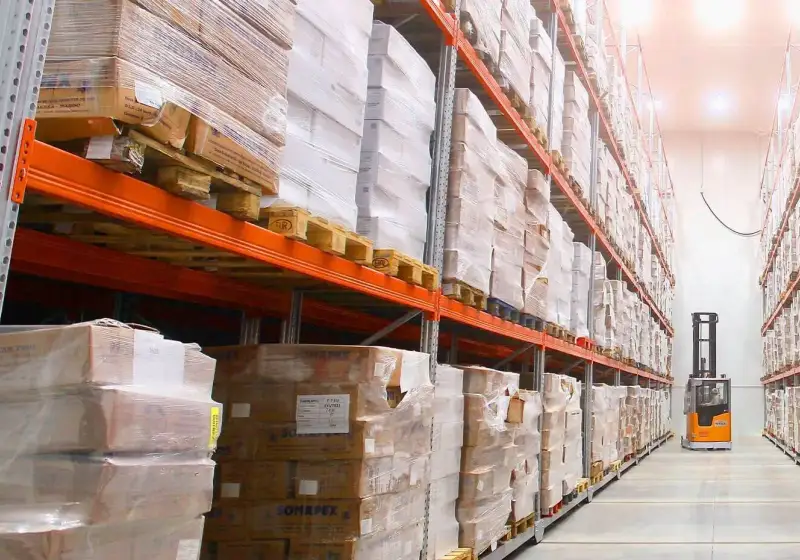
In a winery the first candidate is rarely a closed automated warehouse: it is the run from the bottling line to the racking, repeated all day during the season.
An autonomous forklift can take that run on the selective racking the winery already has, while driven trucks keep working dispatch. Before proposing it, four things are checked: the weight of glass pallets, since the transport series carries up to 1,000 kg and the turret series up to 1,500 kg; summer building temperature, since the equipment works between 0 and 40 °C; racking condition; and the seismic design of the structure.
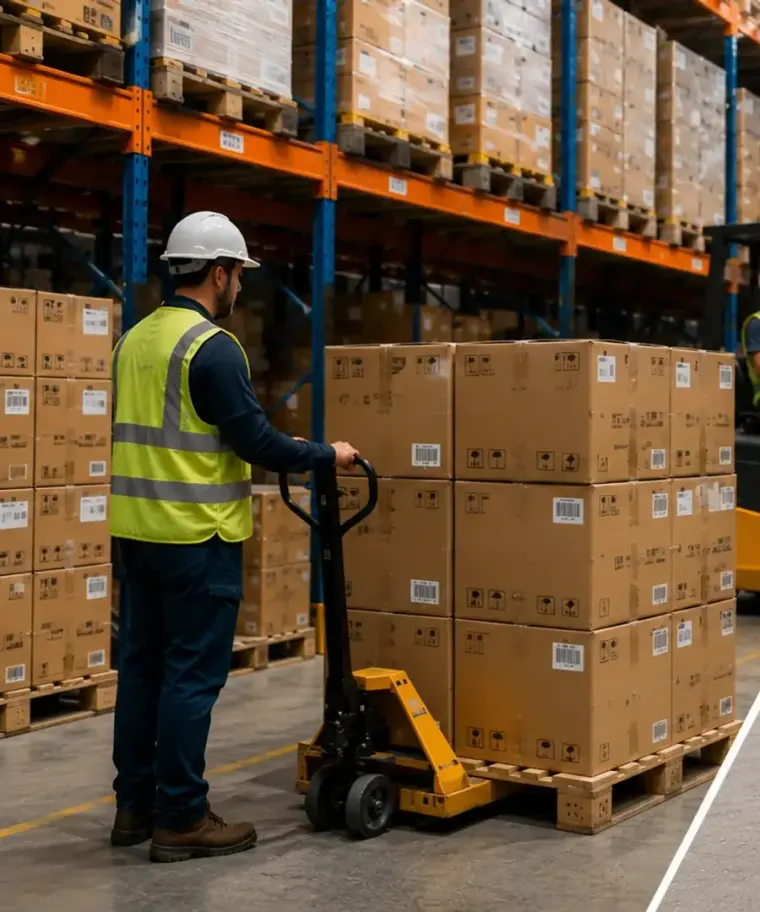
Warehouse automation in wineries
A winery stores three different things, and it pays to separate them from the start.
There are the dry goods for the bottling line: bottles, closures, capsules, labels and cases, many with variants by market or customer. There is finished wine, in cases on pallets, with many labels, vintages and formats, a few high-volume wines and a long tail of small references.
Keep reading
And in some wineries there is barrel ageing, which belongs to winemaking rather than to the logistics warehouse: this page does not cover it, and we have no barrel-storage solution to offer.
The calendar rules.
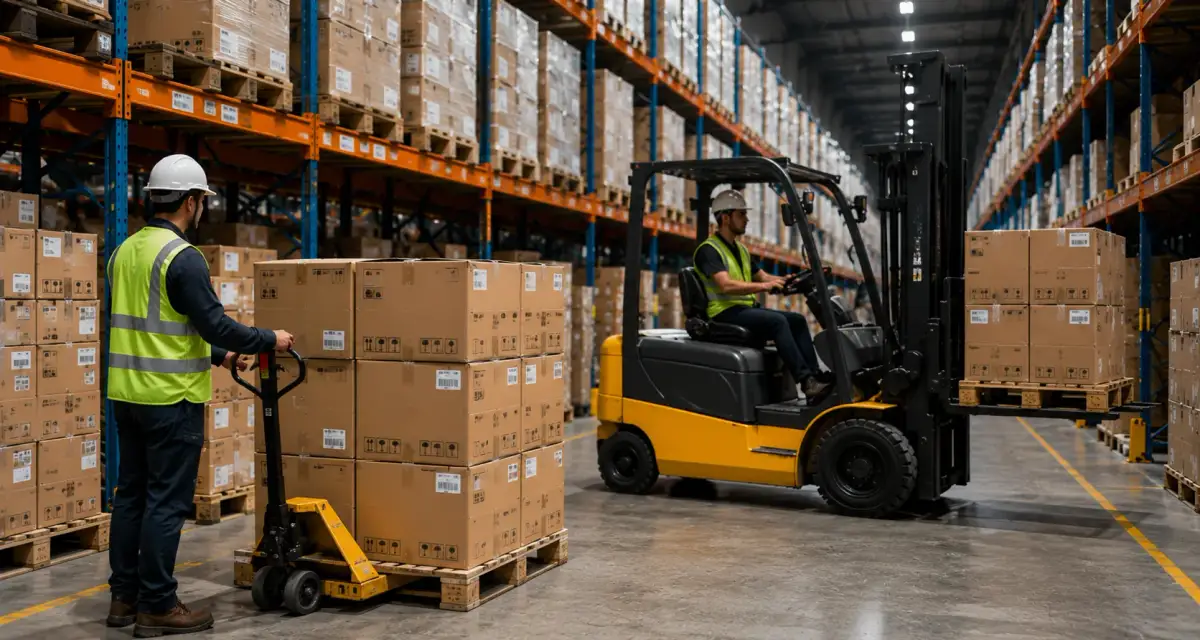
Movement concentrates around bottling runs and in the months before the holidays, and those weeks bring the most common symptom in the trade: pallets stacked on the floor, blocked aisles and often an overflow warehouse with transfers nobody adds to the cost. A winery warehouse is not sized for the yearly average but for the peak, and the peak is prepared before it arrives.
The lot is the unit that matters.
Wine is bottled in lots, and each lot must be traceable from the line to the customer or the export container. That means recording lot and vintage on every movement, not at the end of the day, and having the location say so without opening the pallet.
Weight is the figure most often assumed and least often measured.
Bottled wine is heavy, and depending on the format a pallet can come close to what the racking and trucks accept. Before designing the structure or proposing equipment, the heaviest pallet of each format is weighed.
Keep reading
Mendoza and San Juan are high seismic zones: STOKA designs storage structures for the Argentine seismic code, INPRES-CIRSOC 103, and that calculation can call for fewer levels than the building height would allow.
Export adds its own rules.
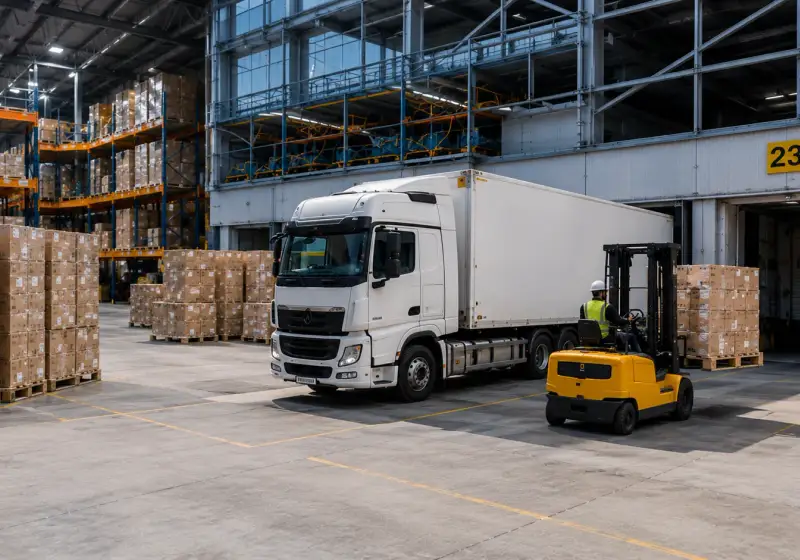
For loads leaving Mendoza by road for Chile, the Palmira Logistics Centre holds final approval as a general bonded warehouse under Resolution 5/23 of Argentina’s customs authority. Wineries exporting to Colombia need ISPM 15 treatment and marking on all wooden packaging, pallets included, under ICA Resolution 38438 of 2018 as amended by Resolution 080894 of 2020.
STOKA is an Argentine company that knows the Cuyo wine region first-hand.
For wineries elsewhere, we assess remotely with your data and travel when the project justifies it.
Products for this sector
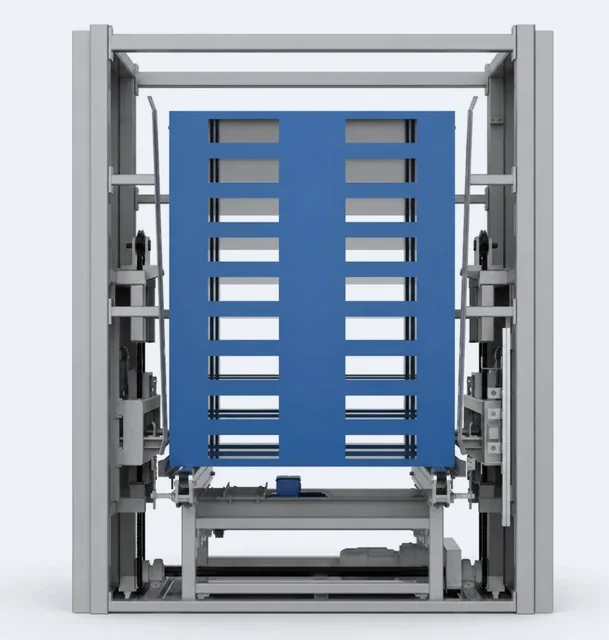
Frequently asked questions about automation
Can't find your question?Write to us and we reply within one business day.
Tell us about your case01Can a winery warehouse be automated without replacing the racking?
Often, yes. Autonomous forklifts work on the selective racking the winery already has, provided aisles and beam heights suit them and the structure is sound. Glass pallets are weighed first, since they can come close to the equipment’s limit, and the building’s summer temperature is checked as well.
02How is bottling-lot traceability maintained?
By recording lot and vintage on every movement, from the moment the pallet leaves the line until it is loaded, not at the end of the day. With coded locations and management software that knows the lot in each position, building a container by lot no longer means searching the warehouse for pallets.
03How should the warehouse prepare for the peak season?
It is sized for the peak, not the yearly average. Before the season, positions are freed, dead stock removed, bottling-line dry goods separated from finished wine, and an area reserved for building orders and containers. That way the peak does not end with pallets stacked in the aisles.
04Do you work with wineries outside Mendoza?
Yes. STOKA is an Argentine company and runs projects across Latin America. We assess remotely with the winery’s data —products, stock in pallets, peak-season movements and a floor plan with clear height— and travel when the project justifies it. In San Juan, seismic design is also part of the work.
Tell us about your case.Response within 24 business hours.
Our technical team analyzes your operation with your data and proposes the solution that fits.