

STOKA / Systems

Systems for a better warehouse.

Racking, internal transport, software and automated storage. Explore what each system solves and how it can fit your operation, from an initial improvement to a complete project.

Tell us your problem

The families, from lowest to highest investment

Racking

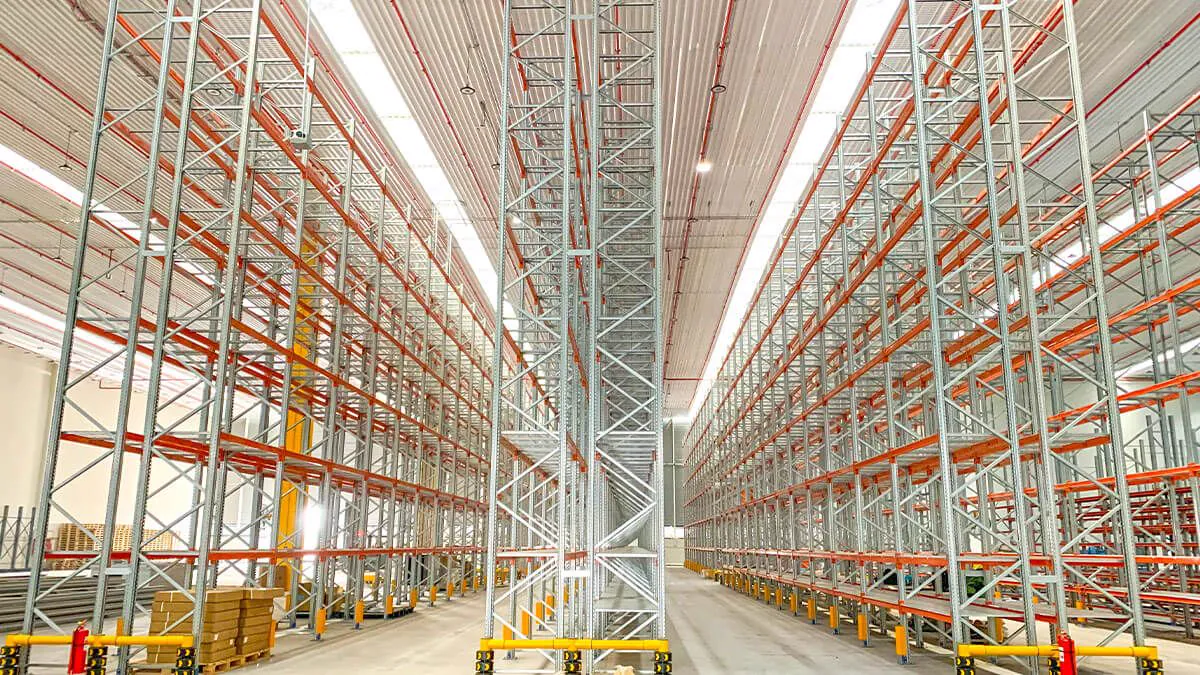
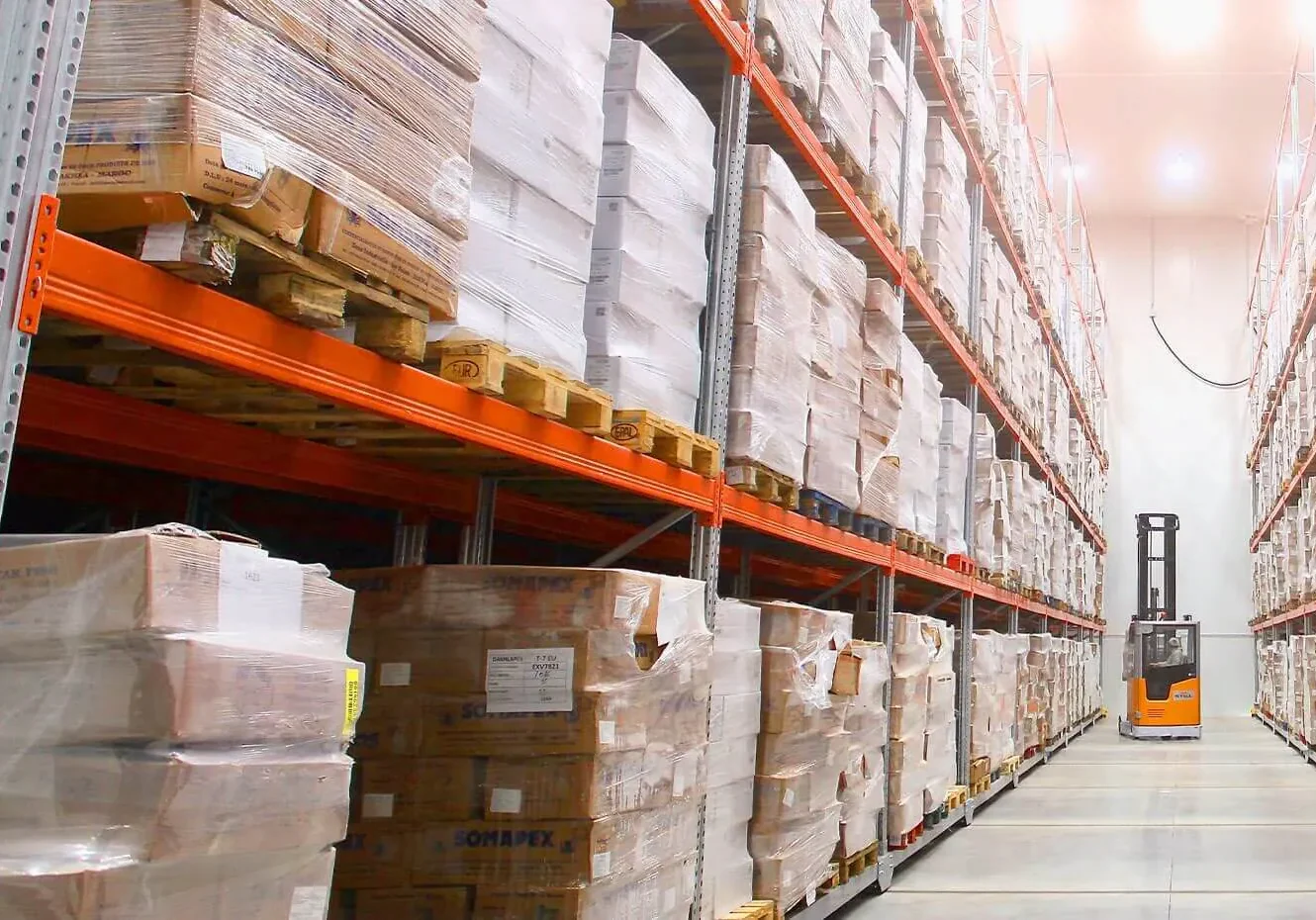
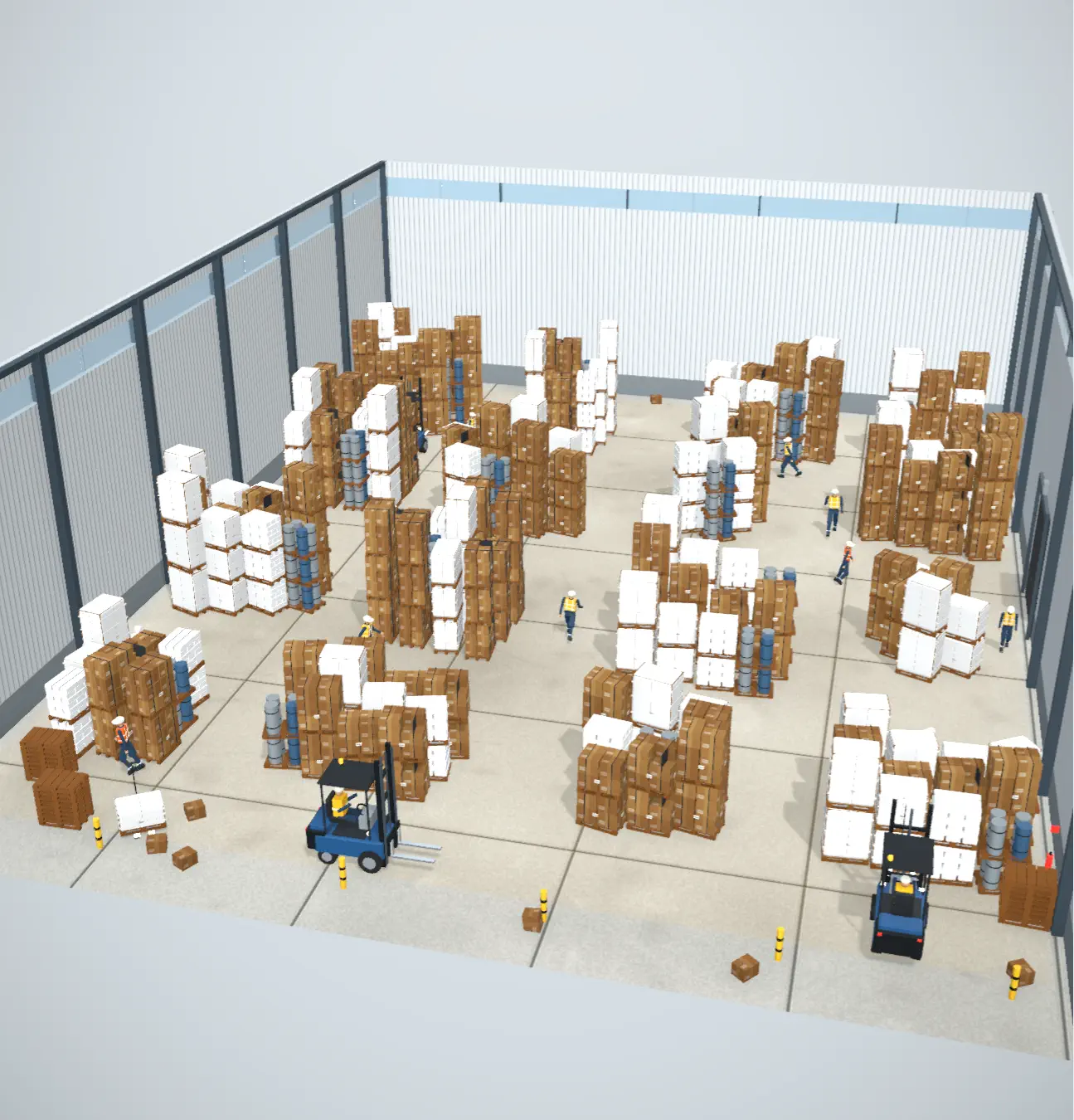
Because goods spread sideways rather than upwards. When pallets are block-stacked on the floor, each square metre holds one position and the volume above it is dead. Racking turns that idle height into accessible pallet positions without moving a wall, renting a second warehouse or adding a single square metre of roof.

Pallet Stacker Cranes

Because the forklift sets the limits twice over. It needs width to turn, and that width eats a large share of the floor in aisles. It also has a lift ceiling, so everything above that stays empty. You pay rent, roof and climate control for volume you never use.

Miniload

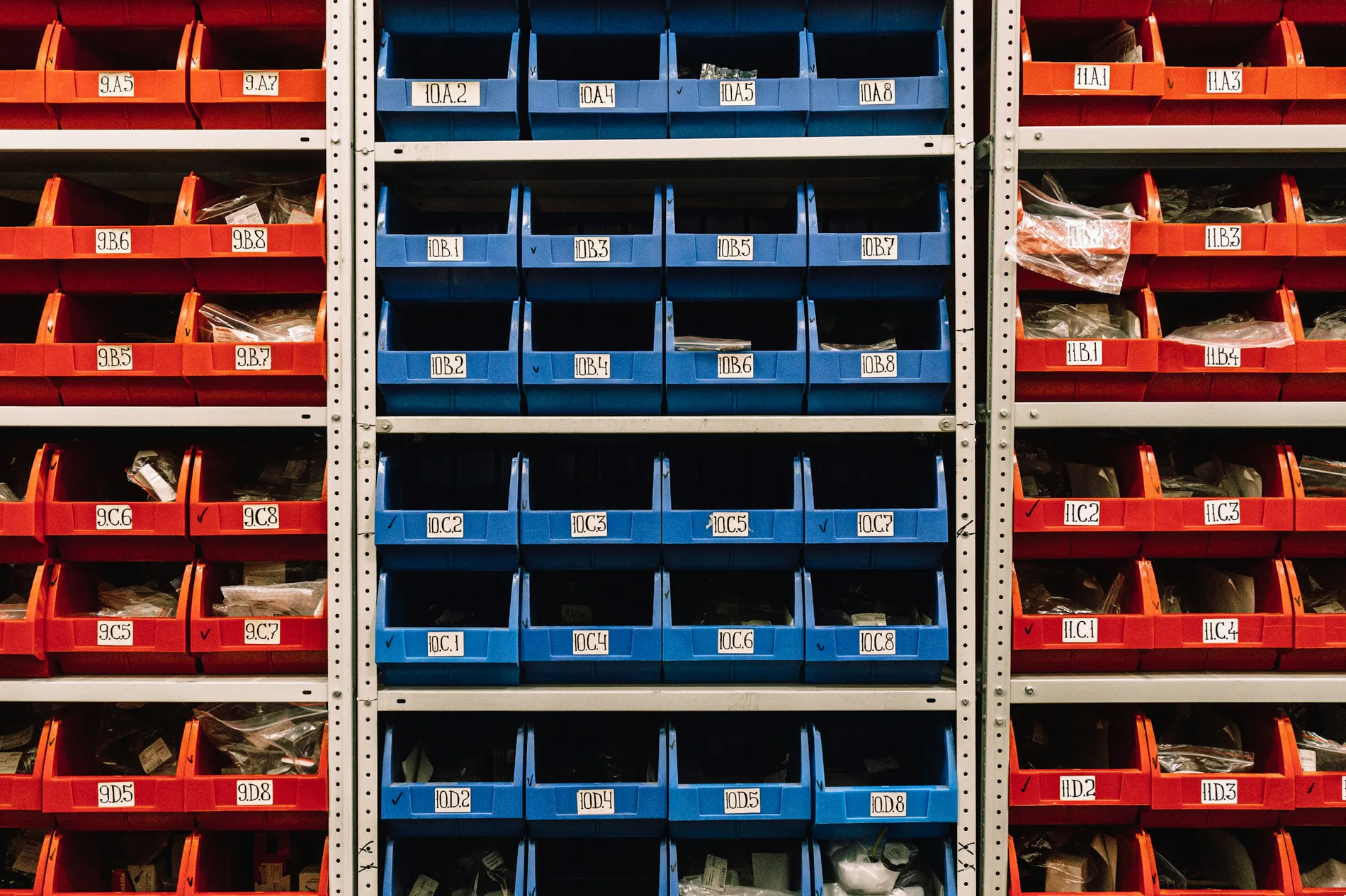
Because the time goes into walking. With thousands of stock keeping units (SKUs) spread across racking, the operator covers metres to gather three or four lines, and that walking adds nothing. A warehouse operator costs the company USD 965 a month, USD 11,580 a year (CCT 40/89 logistics branch, June 2026).

Shuttle robot

Because every conventional racking run needs an aisle to reach it, and the aisle stores nothing: it is simply the lane the forklift drives through. When the cart moves inside the channel instead, one access lane serves many positions in depth, and that circulation surface goes back to holding goods.

ATEX shuttle

Yes, but not with standard equipment. In a warehouse holding flammable vapour or combustible dust in suspension, ordinary electrical gear is simply one more ignition source: motors, contacts, panels and hot surfaces. Automating there is not forbidden. What is forbidden is putting in a machine that was never built for that atmosphere.

Cold store shuttle

Because on top of the floor area you pay for the insulation, the refrigeration plant and the energy that keeps it running all year. Every cold cubic metre carries that cost, full or empty. And every time a door opens to let a forklift through, part of that cold goes outside.

AGV and AMR

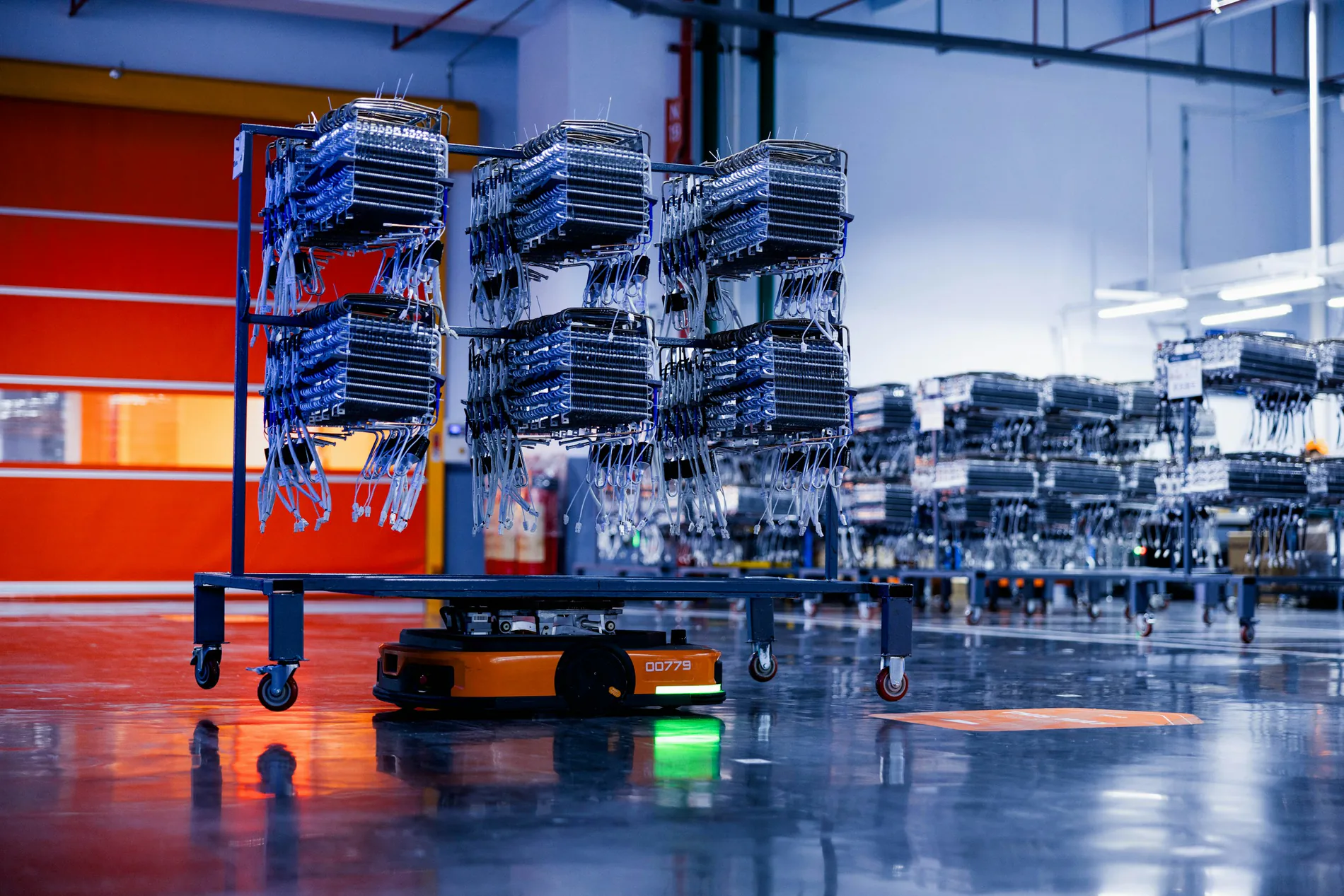
More than any dashboard shows. Moving goods neither transforms nor prepares them: it only changes where they sit. A warehouse operative costs the company USD 965 per month, USD 11,580 a year (CCT 40/89 logistics branch, June 2026), and social contributions account for 34.6% of labour cost (IARAF, February 2026).

Vertical Towers

Upwards, inside a single closed cabinet. A vertical tower stacks trays as high as the roof allows and delivers the one you ask for at a window set at waist height. The same spare parts that today fill a whole aisle of shelving fit into a few square metres of floor.

Conveyors

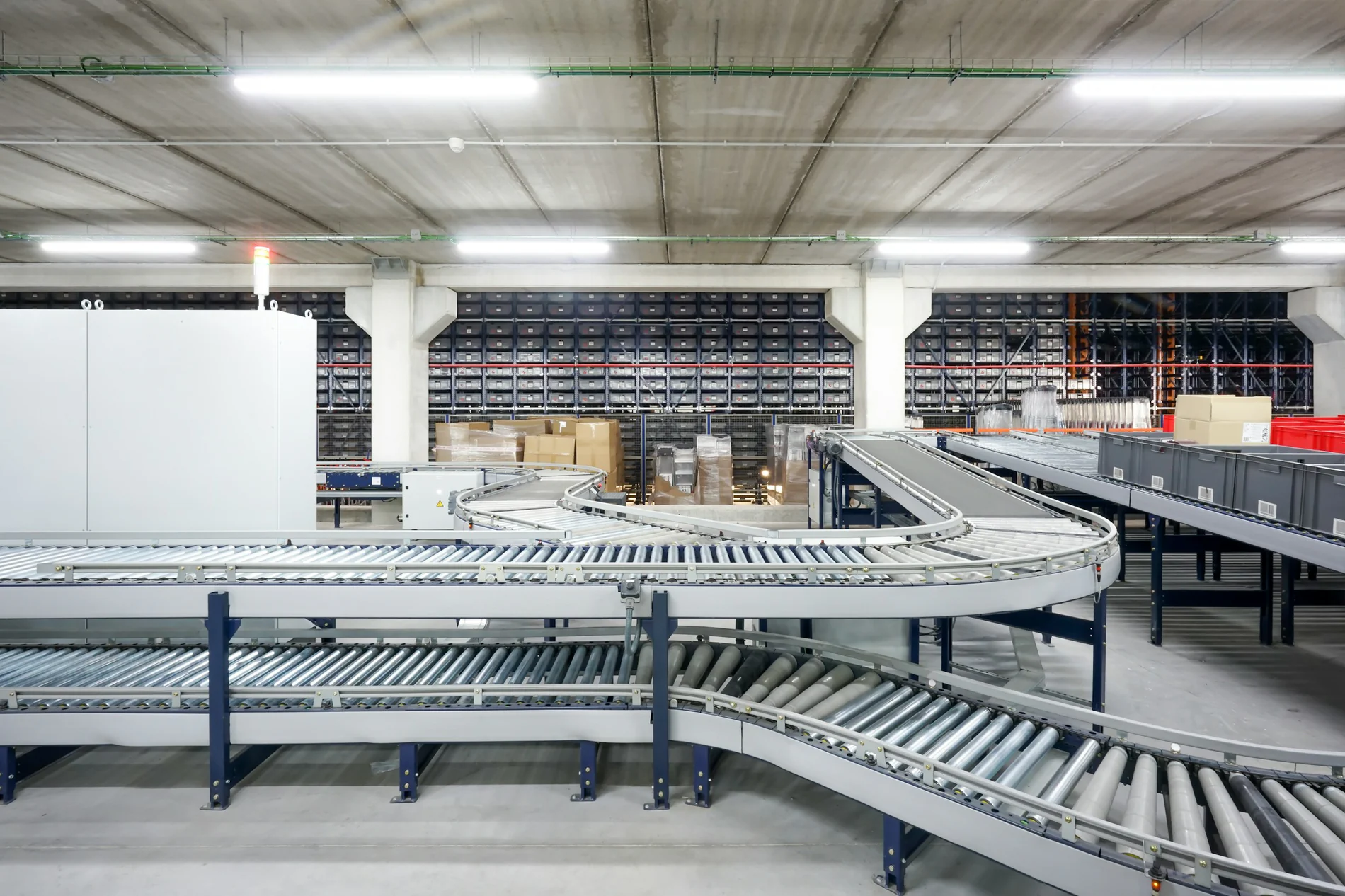
Because the route is broken in the middle. Goods are put away quickly and despatched quickly, but between one point and the other somebody moves them by hand, with a pallet truck or with a forklift, and that is where the time goes. Conveyors close that stretch and let the load travel on its own.

Software

Because your company system knows how much stock there is, but not where it sits. If the location is written by hand, or lives in the head of whoever picked the last order, every search turns into a walk around the warehouse. Warehouse software records the exact position on every movement and turns that walk into an instruction.

Floor space freed
—
Density
base
Operator travel
long

Start where it matters most.

A row of racks. A better process. A robot at a key point. We plan each stage with the next one in mind, according to system compatibility and your operational needs.

Clear locations, standardized loads and defined routes. A foundation for better work.

How do you know which system your warehouse needs?

You almost never know up front, and quite often the answer is none of them. The decision does not come out of a catalogue: it comes out of five figures from your operation, clear height, product mix, load unit, movements per day and temperature. With those five, the list of possible systems narrows to one or two on its own.

How is this section organised and what will you find?

In plain language: eleven pages grouped by what they solve, not by model. The order runs from lowest to highest investment and complexity, so reading top to bottom you meet the cheapest and most likely answers first. There are eight families. Racking and its high-density and mezzanine variants, which is structure with no moving parts. Automated pallet storage and automated box storage, which replace the aisle people drive through with a machine that works inside it. Shuttle robots, which travel into the depth of the rack. Autonomous vehicles, which move loads across the floor with nobody riding on them. Vertical lift towers, which bring the box to the person. Internal conveying, which links the zones to each other. And software, which decides what moves, in what order and with what priority. Each page explains what it solves, when it pays off and when it does not.

Start with racking: it is what solves most cases

Racking is the starting point and, in most warehouses, the finishing point too. Selective racking gives direct access to every pallet, is the most flexible and the cheapest per position when you handle many different references.

Keep reading

High density stores pallets one behind another and raises positions per square metre at the cost of giving up direct access: it works when you have few references with high volume of each. A mezzanine doubles usable floor when what you have spare is height and what you lack is working surface for loose units. Going up with conventional racking already densifies: the ceiling is multiplying what you store today by up to 3 times, and that frees up to 66% of the floor, without a single moving part (STOKA criterion, recalculated during the survey).

Automated storage for pallets and for boxes

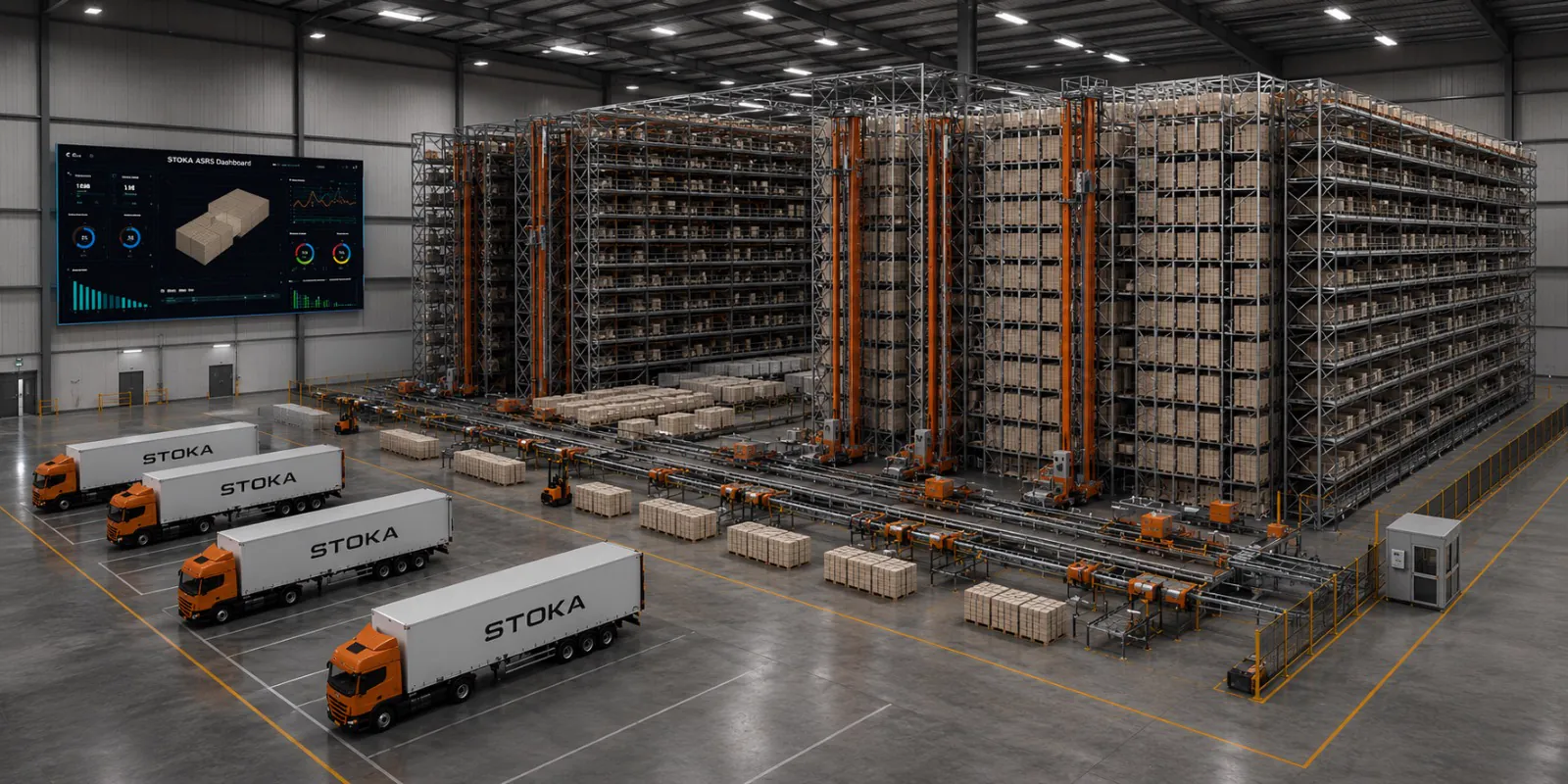
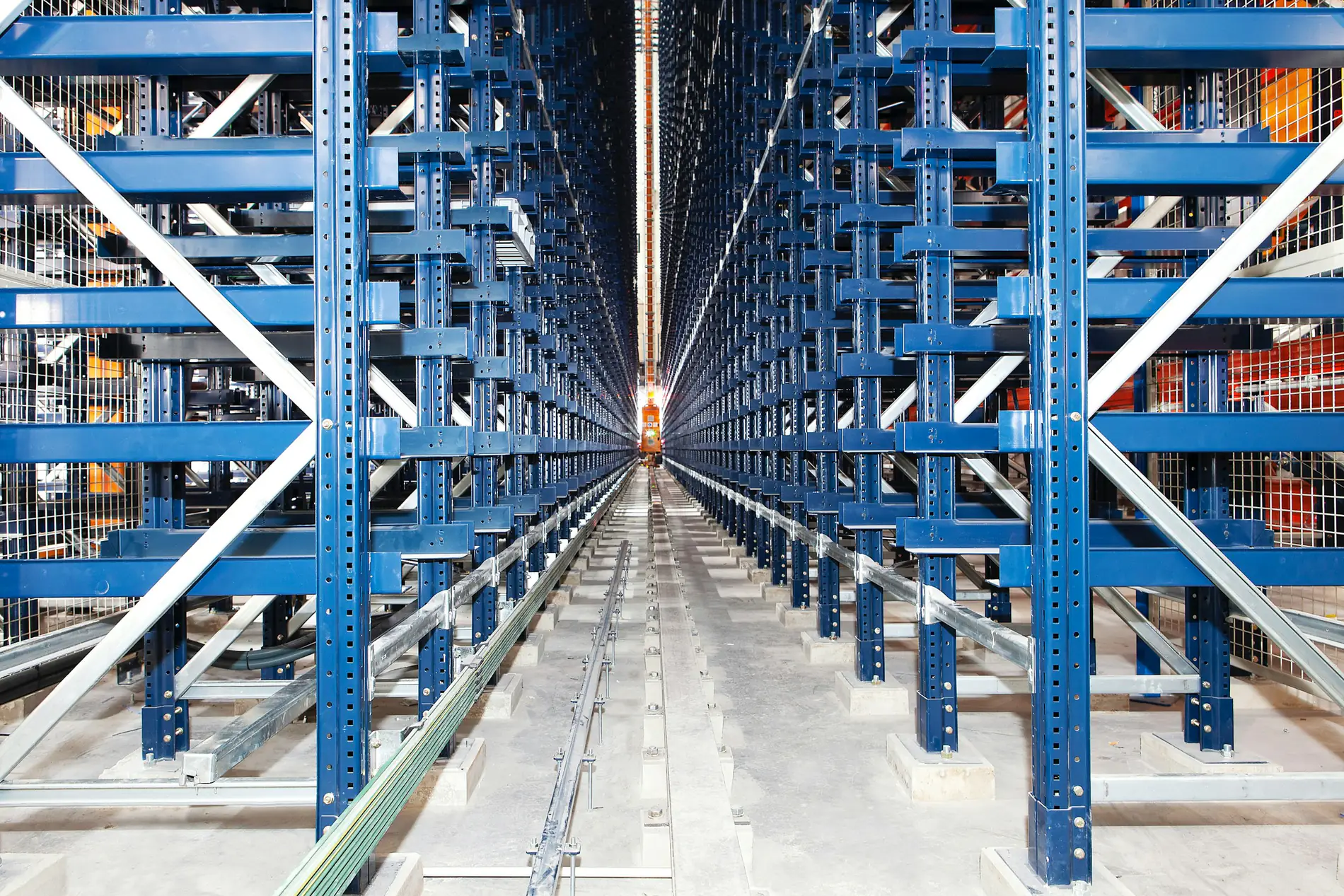
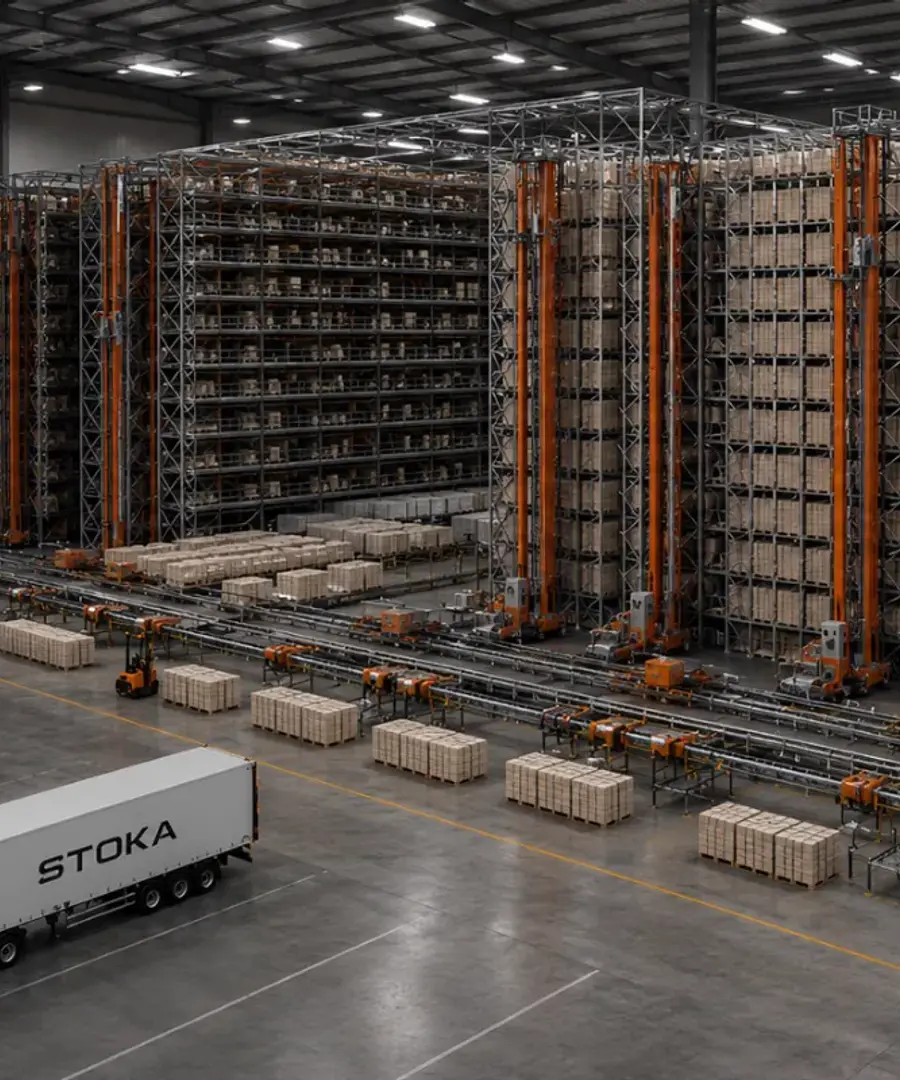
When volume per reference is high and stable, and the available height allows it, automated storage enters the picture. The idea is simple: instead of a person on a forklift truck driving into the aisle, a machine works inside it, in a narrow aisle that needs no manoeuvring space.

Keep reading

It splits into two families by load unit. The pallet family moves the full load and reaches highest: automated systems work between 7 and 40 metres of height (STOKA criterion), well above what a forklift truck reaches. The box family moves smaller units and is meant for warehouses with many references and unit-level order picking. Both tolerate cold: down to −30 °C in pallet systems and down to −25 °C in box systems (STOKA criterion), which is one of the soundest reasons to automate, because those are conditions a person cannot sustain across a full shift.

Shuttle robots, autonomous vehicles and vertical lift towers

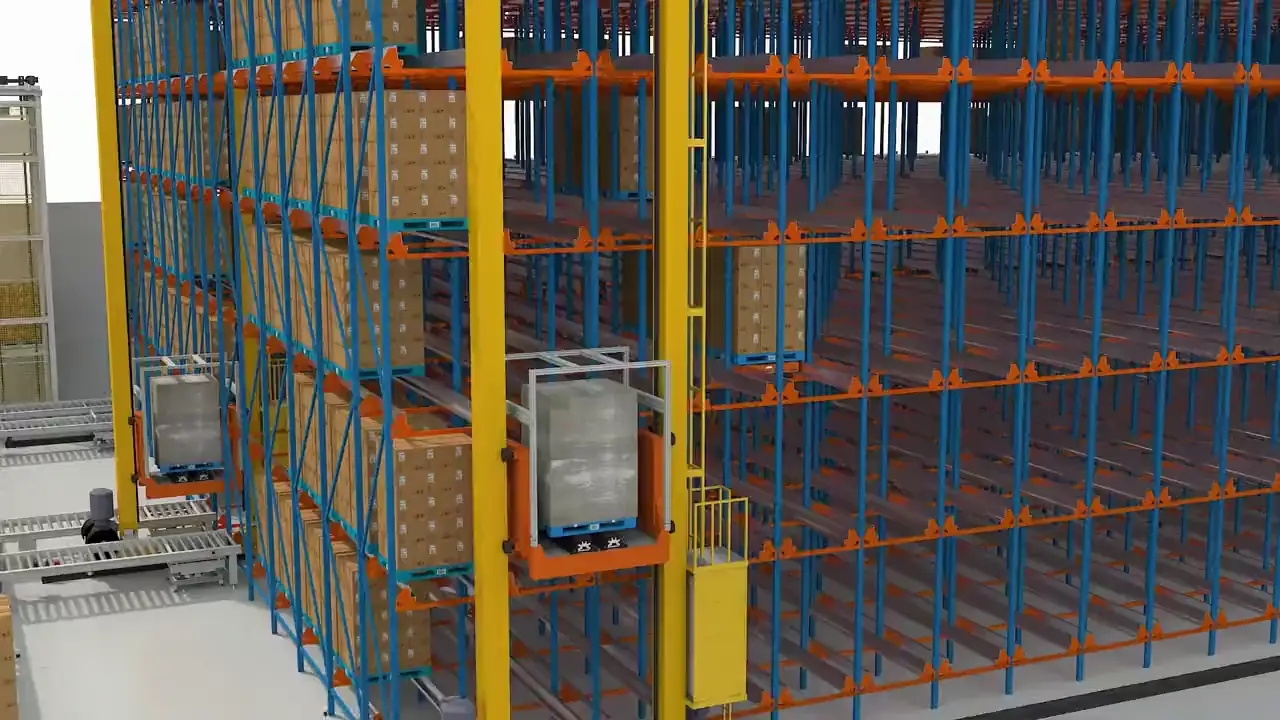
These three families solve different movements. Shuttle robots travel inside the rack and carry the load along the depth of the channel, so they densify without building a complete system and can be added in stages onto an existing structure.

Keep reading

Autonomous vehicles move loads across the floor along a route, with nobody riding the machine: they are the answer when the problem is not where to store but how far people walk between zones. Vertical lift towers invert the logic: instead of the person going to the box, the box comes down to the person inside an enclosed tower, which recovers floor and organises picking in very little space. None of the three is a general replacement for racking: they are answers to a specific bottleneck, which is why it pays to identify the bottleneck before choosing the family.

Internal conveying, software and what you will not find here

The last two families are the ones that tie everything else together. Internal conveying links the zones and moves the load without anyone pushing it: it is what stops a fast system from waiting for somebody to bring the pallet over.

Keep reading

Software decides what moves, where to, in what order and with which machine, and it is the layer without which the rest is a set of machines with no instructions. What you will not find in this section are model-by-model specification tables: no load capacities, no speeds, no cycles per hour. That is deliberate. Those numbers out of context lead to buying the wrong thing, because they depend on the real load unit, the available height and each warehouse movement profile. The detailed technical sheet comes with the diagnosis, already sized against your operation and verified on site.

Which five figures define the system that fits you?

We do not publish model-by-model specification tables: the detailed sheet comes with the assessment, sized against your operation. These are the criteria the choice is made on.

  1. 01

    Real clear height

    Measured to the lowest interfering point, usually a beam, a sprinkler or a cable tray, not to the roof. It defines how much you can densify without automating and whether the step up to an automated system makes any sense.

  2. 02

    Number of references against volume per reference

    This is the criterion that weighs most. Many references with low volume of each push towards direct access; few references with high volume push towards density. It is calculated before looking at any equipment.

  3. 03

    Load unit

    Pallet, box or loose unit, with real dimensions and weight, including any overhang of the goods. It defines the whole family: pallet systems and box systems are different, and an inconsistent load unit constrains both.

  4. 04

    Movements per day

    How many goods-in and goods-out movements happen in a shift, and how they spread across the day. A concentrated peak demands capacity that a flat average hides, and it decides whether to automate or to reorganise the work.

  5. 05

    Working temperature

    If there is cold, everything changes. Automated pallet systems work down to −30 °C and box systems down to −25 °C (STOKA criterion). Those are conditions a person cannot sustain across a full shift, and they are often what justifies automating.

Engineering for your operation

When do you not need to buy any system at all?

Our approach

Quite often the right answer is to buy nothing yet. If the problem is that you cannot find the goods, that inventory does not reconcile or that picking walks too far, no machine fixes it: it speeds up the same disorder. Before quoting, it pays to clear out stock that does not move, reassign locations by picking frequency, standardise the load unit and organise the routes. That round costs almost nothing in equipment and usually frees more space than you expected. Nor do you need to buy if you are about to move premises without comparing the numbers: premium industrial rent in the Buenos Aires metropolitan area (AMBA) averages USD 7.33 per square metre per month, and the Route 9 corridor sits at USD 5.59 (CBRE, Q2 2026). Densifying what you already have almost always comes before relocating. And if volume per reference is low or unstable, automating means buying capacity you will not use.

Frequently asked questions

Where do I start if I do not know which system I need?

With the five figures: real clear height, number of references against volume of each, load unit, movements per day and temperature. With those, the list narrows on its own. If you would rather read the pages, start with racking, which solves most cases, and only move up from there if your operation asks for it.

Why do you not publish prices or specification tables?

Because a model-by-model table out of context leads to buying the wrong thing. Capacity, speed and number of positions depend on the real load unit, the available height and the movement profile. We work with ranges and selection criteria, and the full technical sheet comes with the diagnosis, calculated against your warehouse.

Can more than one system be combined in the same warehouse?

Yes, and it is the most common outcome. In many warehouses the answer is not one family but a combination by zone: selective racking for references with uneven turnover, high density for the few that move volume, a mezzanine or a vertical lift tower for unit picking. That mix is defined in the survey, not from a catalogue.

How long does installation take and when does it pay back?

For automated systems, installation takes 3 to 4 months from the purchase order, and payback sits between 18 and 36 months depending on the operation (STOKA criterion). Conventional racking is resolved in considerably shorter timescales. The firm schedule is closed with the detailed design, after the survey.

If you do not know which system fits, start with the survey

We measure real clear height, floor condition, load unit, product mix and movements per day, and hand you the layout with the technical sheet and the quotation. And if racking plus a layout change is enough, we will tell you.