
Four variables organize everything
The load unit, the temperature, the traceability you are held to, and the rotation profile. Those four explain why two warehouses of the same size are not designed alike.
Problem first, technology second
None of these pages starts with a piece of equipment. They start with what happens in that sector when the warehouse does not keep up, and technology appears where it solves something concrete.
A single point of contact
STOKA designs, imports, installs, integrates and supports. STOKA runs the project end to end.
Which one looks like your operation?
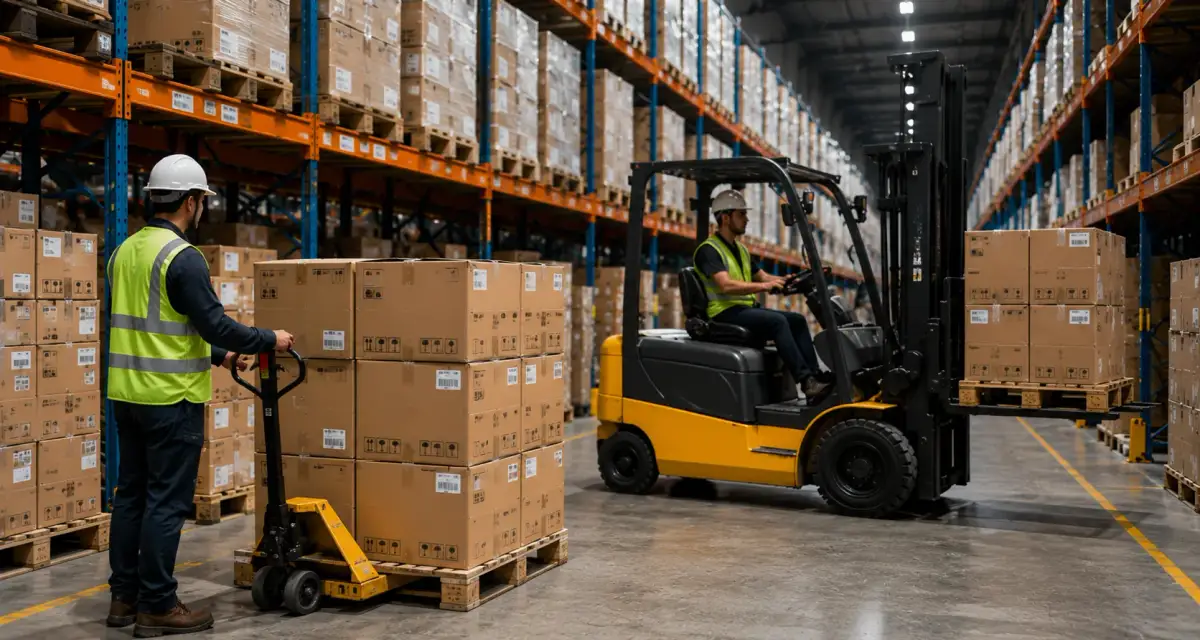
E-commerce and retail
Two opposite destinations coexist in one building: the one or two units going to a person and the replenishment load going to a store. It is shaped by an operational requirement — the promised delivery date and the returns window — and the process carrying the most weight is order picking.
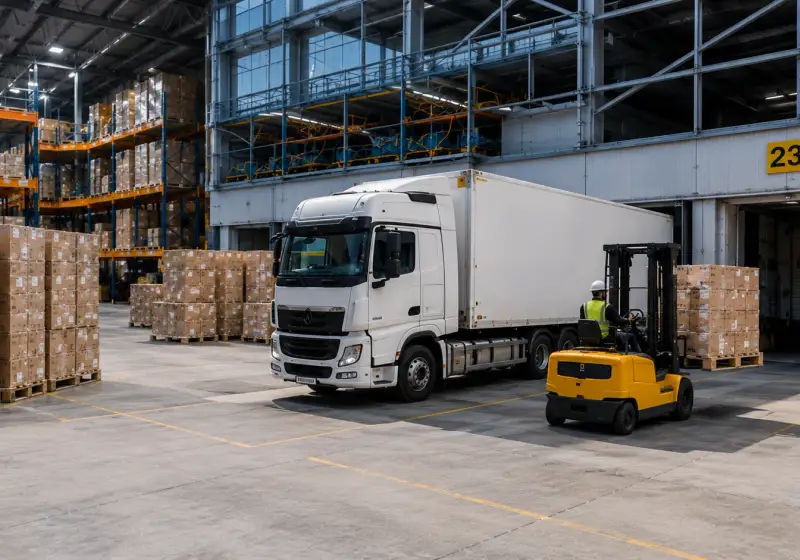
Logistics and 3PL operators
The warehouse is not a cost: it is the product being sold, and the occupied square meter is the billing unit. It is shaped by a client requirement — whoever audits is whoever pays — and the process carrying the most weight is separation and traceability per client.
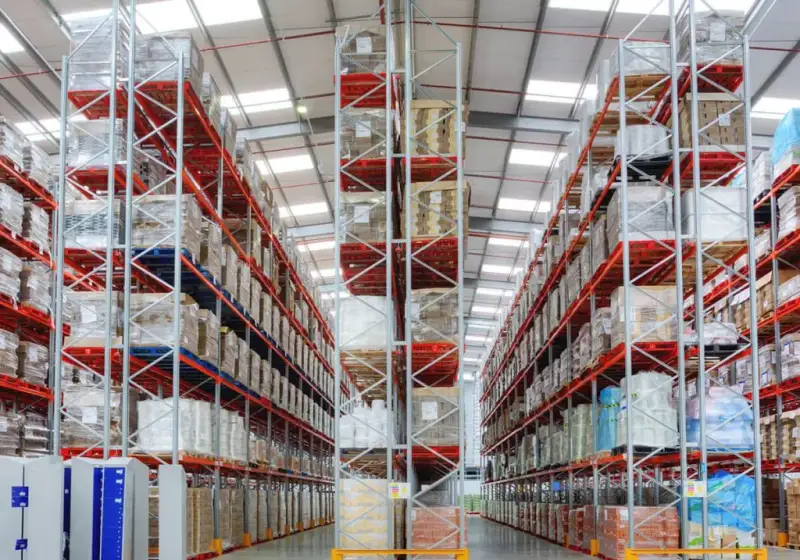
Manufacturing
Three warehouses with different logics on one site: raw material, work in process, and finished goods. It is shaped by an operational requirement — the pace of production rules — and the process carrying the most weight is feeding the line on time and in sequence.
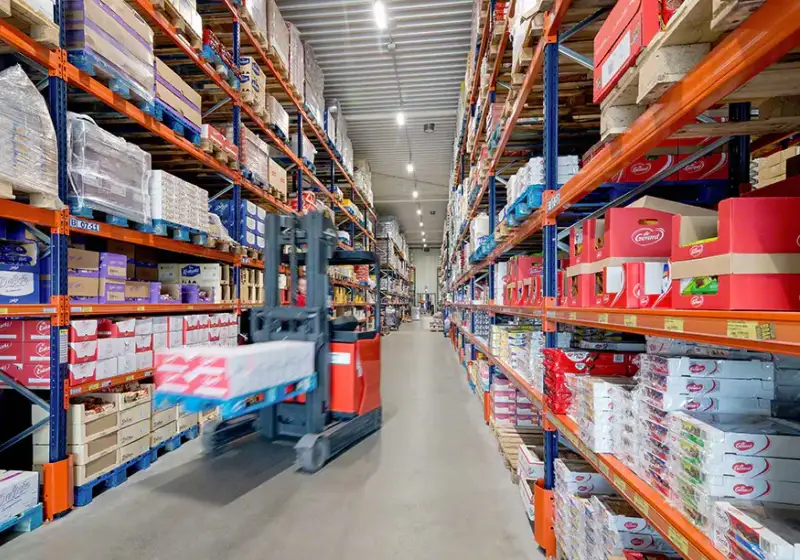
Food and beverage
Full pallets, high rotation, and expiry dates deciding the shipping order above any travel criterion. It is shaped by an operational requirement — the date rules — and the process carrying the most weight is lot traceability, tested for real in a recall.

Pharmaceutical and healthcare
Small high-value units, access control, and a recording requirement higher than any other sector. It is shaped by an operational requirement — unit-level traceability recorded at the moment of the movement — and the process carrying the most weight is keeping every lot path rebuildable.
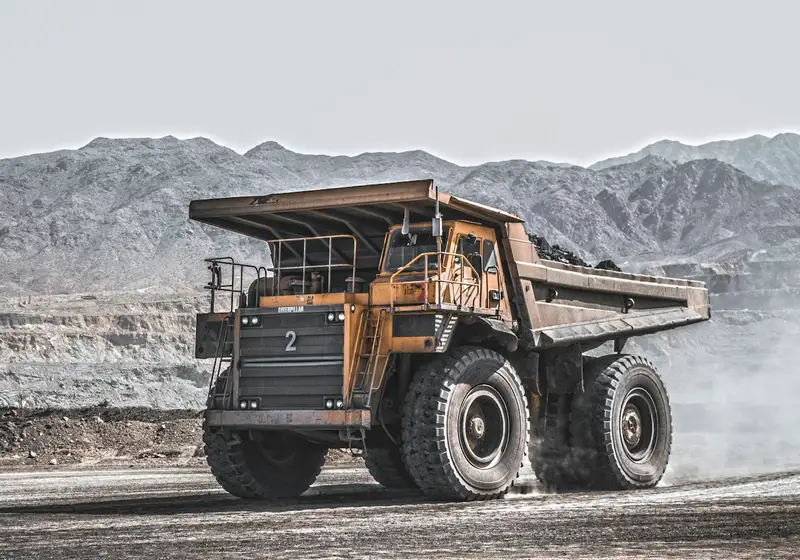
Mining, oil and gas
Thousands of barely-moving references, in formats ranging from a bolt to a several-meter component. It is shaped by an operational requirement — criticality rules over rotation — and the process carrying the most weight is location accuracy: finding it matters more than finding it fast.
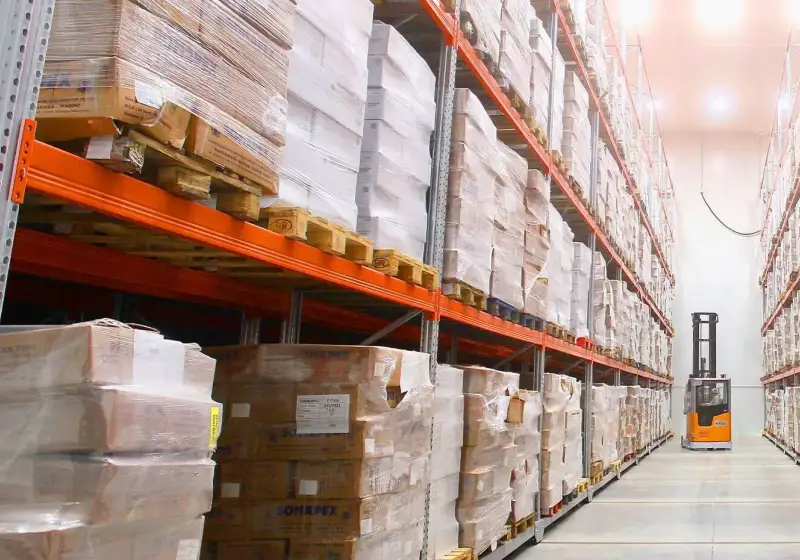
Cold chain
Not a sector but a technical condition, and it applies to food, healthcare and chemicals. It is shaped by an operational requirement — the chain breaks at the edges, not inside the chamber — and the process carrying the most weight is holding temperature across the whole path, loading and unloading included.
Your sector is not on the list?
The sector matters less than how your load moves
If you do not find yours, tell us what moves, in what format, and which process is failing. That is enough for us to say whether we can help — and if we cannot, we say that too.