
Is selective racking enough for you?
It is enough when you have many different products with few pallets of each.
If any pallet has to be available at any moment, by batch or by expiry, it is the right choice. It stops being enough with few high-volume products: then storing in depth pays off.
What it is
Every position faces an aisle, so you take any pallet without moving another. Forklifts place and retrieve it from the front.
Keep reading
What it gains in access it pays for in aisle space, which is why it is combined with high density by zone rather than competing with it.
In practice
It is the base racking of almost every pallet warehouse, and the starting point of the Equip stage. It is designed with one rule that orders everything else: handling equipment first, aisle width second, racking last.
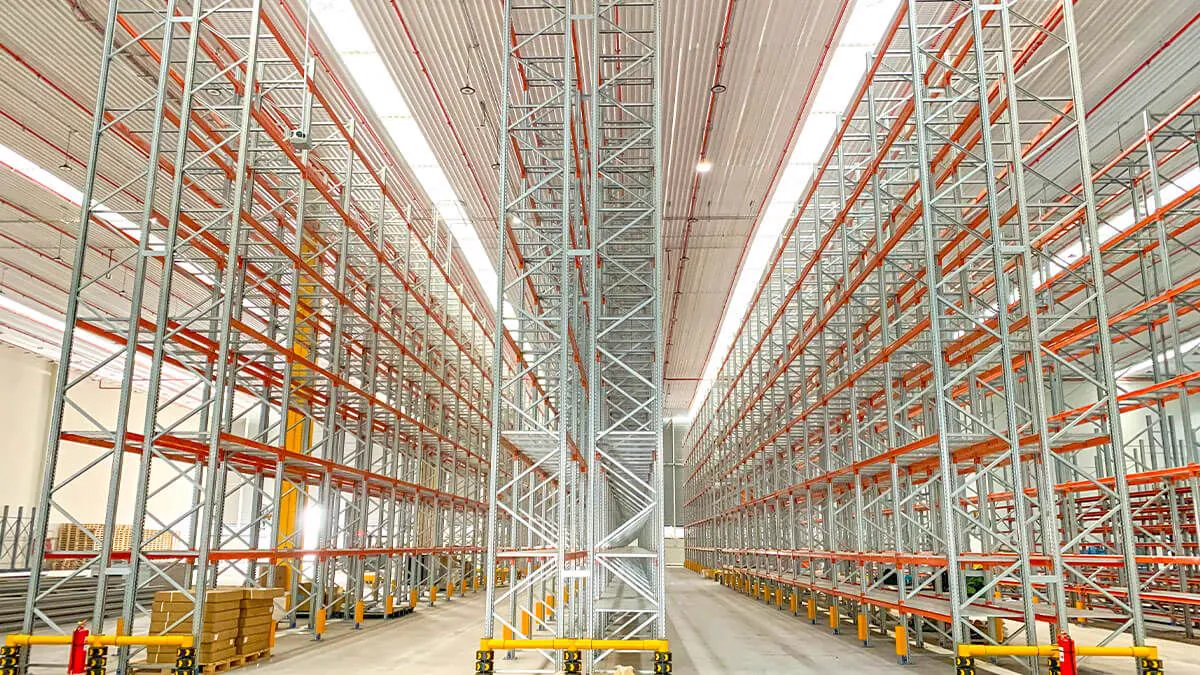
What is selective pallet racking?
Selective or high density: the figure that decides
The question is not which racking is better but how many pallets you hold of each product. Divide occupied positions by the number of different products, and do not stop at the average: look at how many products fall in each range, because the same average can hide a long tail of products with one or two pallets and a handful that fill whole aisles.
Keep reading
Then cross two ABC rankings, one by stock (what takes up space) and one by movements (what generates work). The usual answer is a combination: selective for the long tail, high density for the few products that move volume.
What gets defined before buying
The top level is limited by the lift of the truck that serves it, not only by the building. Each level’s height comes from the real unit load —the loaded pallet, measured on site, with its overhang— not from the theoretical pallet in the item master.
Keep reading
The number of levels results from crossing those heights with the clear height measured to the lowest obstruction. Each level’s load is set with the real maximum weight of each product family, and its capacity is fixed by the racking manufacturer for the chosen configuration.
The forklift decides the aisle width
The racking does not choose the aisle: the truck serving it does. A counterbalance truck needs more turning room than a reach truck, and a turret truck works in narrower aisles at the cost of being captive to them.
Keep reading
There is no general table: STOKA sets the width in each project from the data sheet of the truck your company uses or plans to buy, and the real aisle is measured on site. Narrowing the aisle without changing the truck is the fastest way to damage a structure.
Safety, inspection and who certifies it
The capacity of each level and frame is set by the racking manufacturer for the configuration installed, and the structural and anchoring calculation is signed by a licensed engineer. The floor is checked before installation: racking concentrates load on the base plates, and broken joints, settlement or uneven floors are not fixed with shims.
Keep reading
In seismic zones the structure is designed for the local seismic code, which can cap the height. Once installed, the racking gets upright protectors at corners and crossings and periodic inspection of impacts, beam locks and plumb. A damaged upright is repaired before it is loaded again.
How it is prepared to grow
Well-designed selective racking leaves several paths open: adding bays, resetting level heights when the load changes —always validated by whoever certifies the racking— or combining it with a high-density zone. It can also be the base for automation, since some equipment works on existing selective racking with no new structure.
Keep reading
What we do not promise is that racking installed today will accept robots tomorrow: that depends on aisle width, beam heights, condition and model, and engineering validates it case by case.
When to automate a warehouse with selective racking
When selective racking falls short there are two ways out, and they answer different problems.
If the problem is space and the building has unused height, the conversation is about densifying upwards: with high-density solutions the same floor can hold up to 3x, which is a ceiling and not a promise. If the problem is movement —trucks and operators busy all shift carrying pallets from goods-in to the racking and from the racking to dispatch— the answer may be automating that run on the racking you already have. Neither is decided from a catalogue: they are decided with the product list and its stock in pallets, and with peak-time movements.
Warehouse automation: when it pays and where to start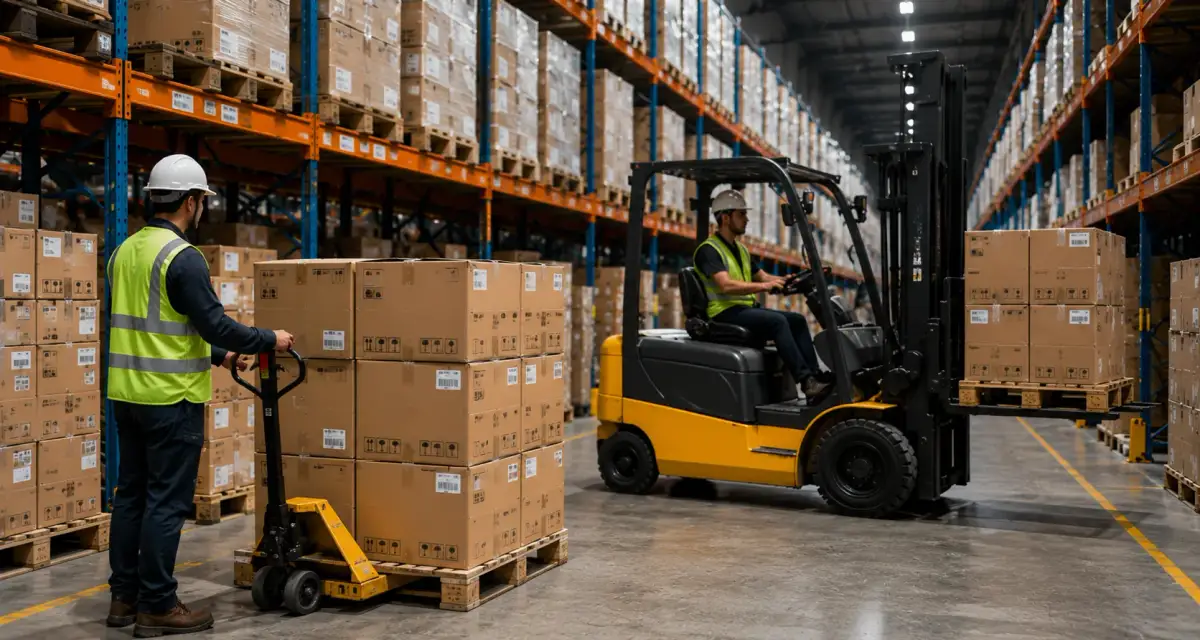
Autonomous forklifts: automating without dismantling the racking
An autonomous forklift is a lifting vehicle that drives itself and works on selective racking with no rails or new structure.
To use it on existing racking, three things are checked in the survey: an aisle wide enough for the right series, a top beam within its lift, and a sound structure. That is why well-maintained selective racking with up-to-date drawings is a good starting point for automating in stages.
Autonomous forklifts on existing racking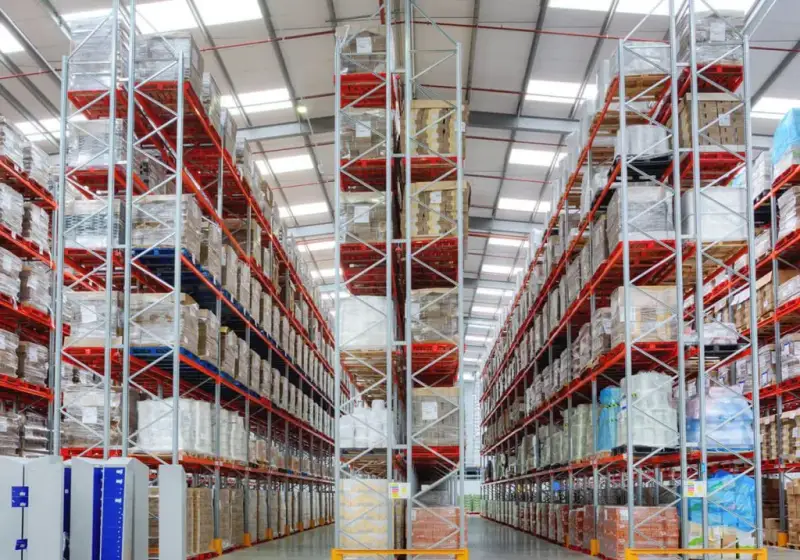
What defines well-sized selective racking?
We do not publish model-by-model specification tables: the detailed sheet comes with the assessment, sized against your operation. These are the criteria the choice is made on.
Pallets per product
Many products with few pallets each call for direct access; few products with many pallets each call for depth. It is calculated product by product, looking at the distribution and not just the overall average.
Handling equipment
The truck you have, or plan to buy, sets the aisle width and the maximum usable height. It is defined first, from its data sheet, and the racking is laid out afterwards.
Real clear height
Measured to the lowest obstruction, not to the roof. Together with the real unit load it sets how many levels fit and at what height each one goes.
Unit load and maximum weight
The loaded pallet with its overhang, and the weight of the heaviest pallet of each product family. With those figures the racking manufacturer sets each level’s capacity.
Floor and seismic zone
Floor load capacity is set by the system manufacturer and verified by a licensed engineer. In seismic zones the structural calculation can limit height and number of levels.
Access by lot or expiry
If any pallet must be available at once, by lot, expiry or dispatch urgency, selective racking is the structure that allows it without moving other pallets.
When is selective racking the wrong answer?
With few products of high volume each, selective racking spends too much floor on aisles.
That profile is better solved in depth: drive-in, push-back or satellite cart. If you store cases or loose units and there is spare height, a mezzanine adds floor for picking. And if the problem is disorder, new racking does not fix it: first code the locations and order the routes.
Frequently asked questions
Can't find your question?Write to us and we reply within one business day.
Tell us about your case01Are selective racking and pallet racking the same thing?
Selective racking is the most common type of pallet racking: every position faces an aisle and any pallet can be taken out without moving another. Other pallet racking types, such as drive-in or push-back, store pallets one behind the other and give up direct access in exchange for density.
02How many levels can it have?
It depends on three things: the real clear height measured to the lowest obstruction, the lift of the truck that serves it, and the weight and height of the unit load. In seismic zones, the structural calculation as well. There is no general number: the level count comes out of the survey.
03How much weight can each level hold?
The racking manufacturer sets it for the configuration installed, using the real maximum weight of your pallets rather than the average. That is why we do not publish a capacity table: a level’s capacity depends on the bay width, the beams and the anchoring, and it is delivered calculated for your warehouse.
04Can I extend or relocate my existing racking?
In many cases, yes. Bays can be added, level heights changed or rows moved, always validated by the manufacturer or the engineer who certifies the structure. Condition is checked first: a damaged upright or an unlocked beam is repaired before any change of configuration.
05Can it be automated later?
It can. Some equipment, such as autonomous forklifts, works on existing selective racking without new structure. But we do not take it for granted: whether today’s racking accepts robots tomorrow depends on aisles, beams, condition and model, and engineering validates it case by case.
Other systems
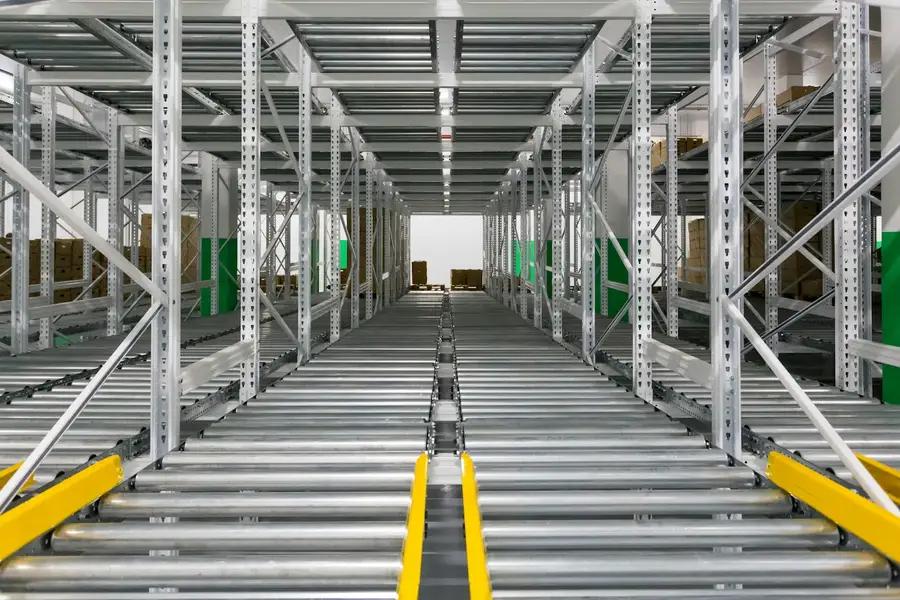
Before asking for a racking quote,measure the pallet
During the survey we measure real clear height, the floor and the loaded unit, review your trucks’ data sheets and count pallets per product. With that we deliver the layout and the quotation, and if a high-density zone makes sense, we say so.