
Wave picking is not a different way of travelling the warehouse: it is a way of deciding when travel begins. Instead of releasing each order as soon as it arrives, orders are grouped into batches and each batch is launched at a fixed time. The reason is almost always the same: a truck leaves at a given hour and everything that goes on it must be assembled before then. This guide explains how a wave is built, what problem it genuinely solves, and when it creates more problems than it fixes.
What wave picking is
A wave is a group of orders released to the floor at the same time, so that they are picked together and finish together. Nobody starts an order from the next wave until the current one is closed.
The difference from continuous picking is one of rhythm. In continuous picking, an order is released when it arrives: if an order enters at 10:14, someone is picking it at 10:15. With waves, that order waits for the 11 am batch and is picked alongside the other hundred and twenty that arrived that morning.
That wait looks like waste, and sometimes it is. But buying the wait allows the work to be organised: grouping orders that share items, spreading the load across zones, and making everything that travels on the same truck finish before the truck arrives. A wave is, at heart, a scheduling decision rather than a routing method.
How a wave is built
A wave is defined by three things: a grouping criterion, a size and a launch time.
The most common criterion is destination: every order leaving on the same truck, the same route or with the same carrier. Orders are also grouped by preparation type, separating full pallet orders from loose unit orders, by warehouse zone, or by customer when assembly requirements differ.
Size is set by the real capacity of the floor: how many lines the available team can pick in the time left before the cut-off. A wave sized by wishful thinking rather than by capacity turns into overtime.
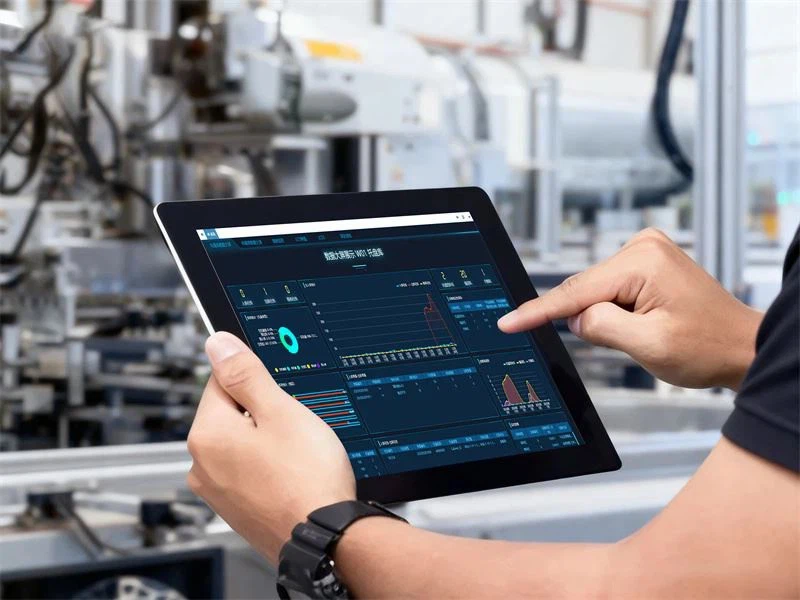
The launch time is calculated backwards from the transport cut-off, subtracting picking, checking and loading time. The wave should not be built by a person with a spreadsheet but by the warehouse management system, or WMS, the software that knows what sits in every location, which tracks the load of each zone and the status of every order.
What it solves: synchronising picking with transport cut-offs
The real problem a wave solves is not efficiency: it is synchronisation. A warehouse that picks well but is disordered in time ends up with orders ready at 9 am for a truck leaving at 6 pm, while orders for the noon truck have not been started.
Value space using your own rent or property opportunity cost. Released space can support growth or reorganization; it only saves rent when an actual payment obligation is reduced.
The other cost is service: orders that reach their cut-off late do not travel, and the customer complaint does not distinguish whether the failure was picking or scheduling.
A wave attacks exactly that: it organises work by departure time instead of by order arrival time.
When does wave picking make sense?
It makes sense when three conditions hold at once.
The first is firm transport cut-offs: departure times that are not negotiable, with owned or contracted transport that arrives at a known hour.
The second is that volume is high enough for grouping to matter. If twelve orders arrive in a morning, grouping them changes nothing; waves start paying off when each batch holds tens or hundreds of orders that share items and can be spread across zones.
The third is a system that knows which orders sit in each wave, the status of every line and how much is left to close it. Without that visibility, a wave is not a planning tool: it is a blind batch.
If any of the three is missing, continuous picking with priority rules usually delivers better service and demands far less coordination.
When it is worse than continuous picking: workload peaks and dock queues
This is the point brochures almost never mention. A wave concentrates work by definition: during the batch the whole team picks at once, and between batches there are troughs where work runs out. The result is a shift of peaks and gaps, with the same number of lines picked and more overtime.
The peak moves downstream. When a wave closes, dozens of orders reach checking and loading together, and those areas have fixed capacity. A queue forms at the shipping dock: goods waiting on the floor, trucks waiting their turn, and a packing team that cannot cope for twenty minutes and then has nothing to do.
Waves are also rigid against urgency. An order arriving after launch waits for the next wave even if the floor is empty.
When those symptoms appear, the answer is usually to shrink the wave and increase frequency, all the way to the extreme: continuous release with priority rules. Many warehouses that describe themselves as wave based end up, in practice, running continuous flow with soft cut-offs, and it works better for them.
What a wave needs in order to work
Three things, and none of them is a machine.
Inventory accuracy is measured by comparing records with physical stock. Results depend on receiving and dispatch records, location rules, training and controls; software or robots do not guarantee an accuracy percentage.
The second is shipping capacity sized to the peak rather than the average. If checking and packing were calculated on the daily average, the wave will flood them at the same hour every day.
The third is that transport cut-offs are respected. If the 4 pm truck sometimes arrives at 2 pm and sometimes at 7 pm, the wave loses its purpose: you would be synchronising against a clock that does not exist.
What a wave does not fix
A wave reorganises work in time. It does not change the distance an operator walks, it does not improve where items are located and it does not reduce picking errors. If your problem is that the team walks too much, the answer lies in layout and in the routing method, not in the schedule.
It is worth saying the other side too. If you are considering automating picking because waves create peaks, first check whether the peak comes from the process or from sizing. An automated system absorbs peaks better than a team of people, but it takes 3 to 4 months to install from the purchase order and is justified by sustained volume, not by twenty bad minutes per shift. First the process gets in order; robotics only enters if volume still calls for it afterwards.
Waves yes, but sized properly
Wave picking solves a concrete and narrow problem: making sure that what travels together is picked together and reaches the truck on time. When cut-offs are firm, volume is sufficient and a system provides visibility, the wave organises the shift. When any of those three is missing, it adds rigidity, concentrates work into peaks and moves the queue to the shipping dock. The test is simple: look at the curve of lines picked per hour and the queue on the loading dock. If there are peaks and gaps, the wave is badly sized, and the answer is to shrink it before automating.
Frequently asked questions
It means releasing orders to the floor in scheduled batches instead of one by one as they arrive. Each batch, the wave, groups orders that share something, almost always the departing truck or route, and is launched at a time calculated backwards from the transport cut-off. The goal is not to pick faster, but to make everything that travels together finish together.
In continuous picking every order is released as soon as it enters the system, so work arrives evenly through the day. In wave picking orders wait and are released in batches at fixed times. Continuous gives better response time for urgent orders; waves give better synchronisation with transport departure times, at the cost of concentrating the workload.
Because they concentrate work by design. When a wave closes, dozens of orders reach checking, packing and loading at the same time, and those areas have fixed capacity. If they were sized on the daily average rather than on the wave peak, a queue forms: goods waiting on the dock and trucks waiting their turn. The correction is to shrink the wave and increase frequency.
In practice, yes. A wave requires knowing which orders enter the batch, how much load falls on each zone, the status of every line and how much is left to close it. That is what a warehouse management system does, the software that knows what sits in every location and builds the routes. Without it, a wave is a blind batch whose gaps are discovered too late.
It depends on transport cut-offs, not on a general rule. It is calculated backwards: one wave per firm departure time, and its size must fit the real picking, checking and loading capacity available before that cut-off. If peaks and gaps appear during the day, the wave is too large and it is better to shrink it and increase frequency.